
Grandparents Ellen and Carl Bonde in the 1920s or 1930s.
While researching my maternal uncle’s life I bought a copy online of a US Army infantry training manual published for use during WW II. In the early 1950s I had leafed through my grandmother’s copy when I had stayed for months with my grandparents. As my father died an agonizing death from brain cancer 120 miles away in Missoula. Daddy’s sister persuaded mother that I should avoid seeing him in his last days. Anyway, grandma tucked me away in their bedroom on a cot. She taught me how to say prayers at bedtime. Lord’s prayer and the “now I lay me down to sleep” prayer with the frightening line “if I should die before I wake.”
Anyway, I was the only child at their house, so I usually played with the cat where the heat came up from the wood furnace below. The smell of burning pine comforted me like the heat. They couldn’t watch me every minute. I had freedom to explore the bookcase that my late uncle Bud had constructed while in high school. The bookcase extended from floor to ceiling. Ceiling was at least 10 feet above the floor. My grandparents had many books. A few years later my brother had looked through all of them and found one from the mid-1800s, titled “Jan of the Windmills.” It was yellowed and raggedy and I never tried to read it. Not the way I read through Bud’s books about the Boy Scouts and the US Army.
I leaved through the infantry training book many times, perhaps daily. Here’s an excerpt from near the front of the volume concerning bayonet training:
It is an easy matter to teach the few, simple technical details of bayonet combat, but an instructor’s success in bayonet training will be measure by his ability to instill in his men the will to use the bayonet. This spirit is infinitely more intense than that displayed on the athletic field, and combined with confidence in the rifle and ability to shoot, constitutes the grim determination of the men on the firing line to close with and destroy the enemy. It is the overwhelming impulse behind every successful bayonet assault.
The last sentence in the bayonet section admonishes the instructor to prevent the soldiers from fencing with their rifles with bayonets.
Did I remember to tell you that once my grandpa died and grandma moved to Missoula I built a playhouse behind our garage out of plywood concrete forms I had removed from the Tremper’s shopping center under construction a few blocks away.
The roof leaked because I shingled it from the top down so that water ran beneath the layers and into the shack. Mushrooms and dampness on the grassy floor. My friends and I played doctor, learning the thrilling truth about each others’ bodies.
I left my grandma’s infantry training book there for the pages to wrinkle and develop the blue spots of mildew along with the characteristic cloying smell, so I threw it into the battered, lidless garbage can in the alley. I didn’t have to tell grandma, she easily figured it out. I remember being surprised that she valued the keepsake from Bud, her only son, killed by the German torpedo, Christmas Eve, 1944.
There may not be much of a trail to find, but that doesn’t make it less real. The last thing I read suggested it is about 15,000 years old, running from Siberia to Argentina.
In Old North Trail: Or, Life, Legends and Religion of the Blackfeet Indians author Walter McClintock described the O.N.T. as being more like the channels of a river and less like a trail as one would find in the woods. The routes changed depending upon ice on lakes, say, and whether enemies were out to get you.
He said in early times Blackfeet expeditions would ride horseback south to Mexico and beyond, returning years later with prizes and stories of the wonders there. Then those trips stopped.
He said in 1869 a smallpox epidemic from white settlers decimated the Blackfeet. That, plus starvation, plus warfare with white settlers reduced the Blackfeet populations from 30-40,000 to about 3,500 by the time they were pushed to their present reservation. The bison were slaughtered in 1883, then the next winter the people starved. The Blackfeet traded land for food. Like that.
My nephew Jon digitized many family photographs, including some from my aunt Corinne Ackley.
I was looking for a photograph to post on Facebook of my Uncle Carl (Bud) Ralph Bonde, Jr., killed in action by a U-Boat torpedo fired from U-486 Christmas Eve about 5 miles from the French port of Cherbourg. About 476 died around time of the sinking of the SS Leopoldville, many because of delayed or botched rescues.
Bud was born Sept. 15, 1923, at home in Kalispell, Montana. Today Kalispell has several distinctions that Montanans know: many extreme right-wingers live near there. Many Norwegian-speaking people migrated there. Kalispell is located north of Flathead Lake, the largest fresh-water in the United States that is west of the continental divide. In fact, Kalispell is in the Flathead Valley. Bud would eventually wind up in the 66th Panther Division in Arkansas and become known for reciting what sounded like a chamber of commerce description of his hometown, according to his close friend William Moomey, whom I interviewed in 2005. I found out about Bud’s living army buddies thanks to scholar Alan Andrade of New York City. Mr. Andrade, a retired detective of the NYPD, had spent many years collecting stories and information about the heroes who perished with the sinking of the SS Leopoldville troopship. 
We all had nicknames in the brig in Memphis. Mine at first was “buzzard,” given to me by a guy in a nearby cell who seemed to hate me. I guess the most surprising thing in the hard cell was the hippie graffiti on the stainless steel walls, scratched in. I guess I never did know what the anonymous folks did the scratching with. They had no coins, no keys. The peace signs surprised me. Sure, the usual curse words graced the walls, also boasts about how long they endured being locked up. Also, the home towns. I can’t remember much specifics, except one guy was from Tupelo, Mississippi. I played checkers with him. I beat him, so I joyfully leaped up and down on the metal bed frame and a guard thought I was killing my cellmate. That was after I thawed.
I was surprised a first by the peace signs because I had believed the marines and sailors were largely killers. Even the ones in the brig, I thought. Oh, intellectually I knew I would encounter other anti-military people more like me, and I was really staking my life on that being true. One guy—a marine I met in the brig—was from North Dakota and he had an entire community giving him emotional support for his being non-cooperative with the war in Vietnam. I know because he showed me a letter from home. I envied him. I was not against the war for any noble reason. I was simply afraid for my life, and I didn’t feel like I even had much of a home in Montana anymore because I had joined the service despite pleading and threats. My JAG lawyer, Lt Vickery, tried to suggest that my motive for getting into trouble was the laudable, political, moral reason like the guy from North Dakota had, but it wasn’t. I was doing only what any another person would have done.
I was the buzzard, and I hated my nickname. It embarrassed me. Therefore, that first night of confinement, I turned my face to the wall and wished Skutch would shut up. That wasn’t really his name, but that was sort of like it. I just can’t remember. That wasn’t really similar to his nickname either. If Skutch were really the name others used for him, it would have been his real last name.
He was damned bright, Skutch, and boasted about his gift for talking. That made him sort of scary, because I felt I had terrible secrets. I actually heard mean voices. It was hard to know if Skutch was mean or friendly. He was certainly persistent. I believe he spent most of my first night in the brig regaling me with insults and mocking me because I was silent. I felt confused, profoundly alone, sad unto death. I didn’t know why Skutch wouldn’t just leave me alone. I didn’t know why he repeatedly called me “Buzz, Buzz Buzz. Buzzard, the Bizzzzzerk Buzzard.” I eventually met him. He was a rather tall, pudgy, bland-looking 19-year-old with a charismatic, animated, talkative manner. My trouble was I didn’t have anything to say. That was monstrous for me. I was very tall, skinny, very quiet, very stupid.
I wanted to just close my eyes and sleep. I was in the cell farthest from the end of the hall. The fourth one. I wasn’t sure if Skutch was in the third one, but I thought he was. The voices that tormented me sounded through the bars at the front of our cages and down the 30-foot hall in front of them. Most of the cells had windows that could open across the hallway, but not mine because it was the last one at the end of the hall. Summer in Memphis smelled good like mowed lawn and clean sheets. The grassy yard surrounded our wooden, converted WW II barracks on 3 sides. A chainlink fence with concertina wire further reminded us how unwelcome we were anywhere else. A double gate down a short sidewalk led to the front entrance. You get the idea. The building was white 2-story with heavy screens bolted to all the windows. Toward the left rear was the receiving area and an elaborate gray panel with levers and a hand crank with the mechanics of opening the 4 cell doors in the hard cell area. That’s were I was at first. We slept on the concrete every night but one. While I was there I wrote a letter complaining about conditions, so an inspector visited us. Just prior to that, one night we all got mattresses that were too wide for our narrow steel bunks, so we all got more than just the wool military blanket. We never got pillows. Instead we used the Bibles or the roll of toilet paper for our heads. The guards always removed the heavy paper cylinder from the toilet paper, but I never found out why.
Skutch never again played much of a role for me after the first couple of days. I desperately wanted to be able to thaw out and speak, but like I said, I couldn’t think of anything to say. I had voices in my head in addition to those I heard from Skutch and whoever else was there that first night. Someone else always chimed in with “There it is!” when Skutch said I was a “Buzzard.” I thought I heard other voices too, but I never did know about them.
The longer I was unable to speak the worse my situation, I thought. I felt myself disintegrating into smaller and smaller life forms. I started as a person, then smaller and smaller animals. A cat, a mouse, a cockroach, an ant, then smaller and smaller plants. I fell asleep after being certain that I had split into an infinite number of barley plants. A year before I joined the service I had moved irrigation pipe in high school and college in barley fields. Even my brother helped me one summer. Another summer a girlfriend helped me for a while until I started smoking lots of cannabis. Then I got too lazy for work and quit.
Because of the offense I was charged with the command required that I be evaluated for mental health. I took a multiple-question examination. It was pretty difficult because my short-term memory was terrible and the questions were ambiguous. The questions repeated every few pages, just worded differently, and I couldn’t remember how I had answered before so I had to guess. I wanted to be insane, sort of. Or I didn’t want to be insane because being so was damned terrifying!
I had wanted to be insane back in Missoula because one of my best friends, Mike Fiedler, had to go to the state mental hospital for evaluation because he had been caught swimming nude in Rattlesnake Creek. When the judge told him to go to Warm Springs for an evaluation, Mike said, “Thanks, judge.” When we dropped Mike at the door of the psychiatric intake building, he said “I’m equally impressed by the locks on the door.”
Before I joined the Marines, one of the last things I said to my old girlfriend was, “I’m insane. I want to be insane.” (Also, I thought, I have a new girlfriend.)
She replied, “That’s the first honest thing you’ve said to me in a long time.” I think she could tell by my tone of voice. I asked her to leave me alone, so I watched her as she walked across the bridge over the river. I did not see her for years after that.
In Memphis, in the brig, I no longer wanted to be insane. Therefore, I was glad to visit a clinical psychologist soon after I had taken the written test. He looked bored as he wrote in a notebook. He asked me a probing open-ended question. I told him about the voices in my head. I told him about feeling fragmented into smaller and smaller creatures, even barley plants. He was scribbling on his notepad, so I slowed so that he could keep up.
“So you just want to get out of the Marines?” he said. Wow, he really knew how to get to the point.
“I want to be able to talk again,” I answered. By that time I really didn’t care where I was. I didn’t even care if I went back to Montana because I no longer had a sweetheart. I didn’t care if I stayed in the brig forever. I didn’t like the marines, so I figured I would make them feed me and keep me. I wasn’t going to let them off easy.
“You are a schizophrenic 240.” (I’m not sure about the number 240. It was some number or other.)
“What does that mean?” I asked.
“It’s just a diagnostic code,” he said. But I didn’t believe him.
Strangely, I felt much, much better after telling him my most heartfelt thoughts and fears. And I started to thaw.
About then someone gave me the nickname, “Stork.”
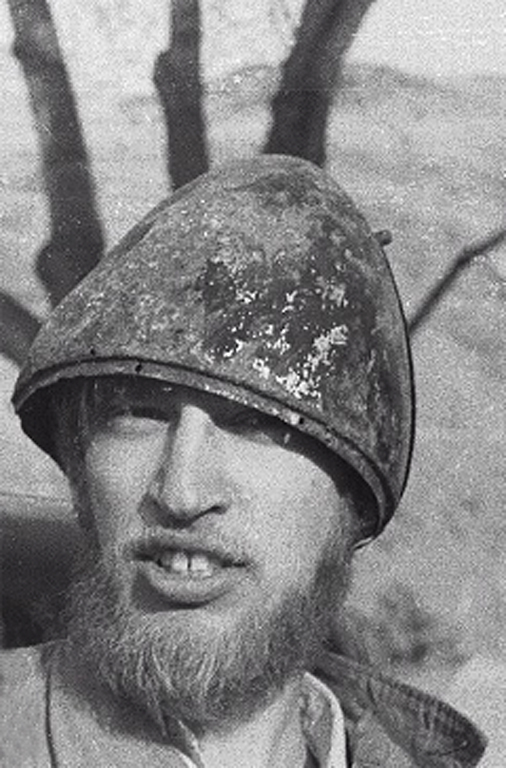
Unlikely candidate for the US Marines spent 7 years as an enlisted soldier. Ultimately he ended up receiving VA benefits, disabled by piles. Truth is stranger than fiction.
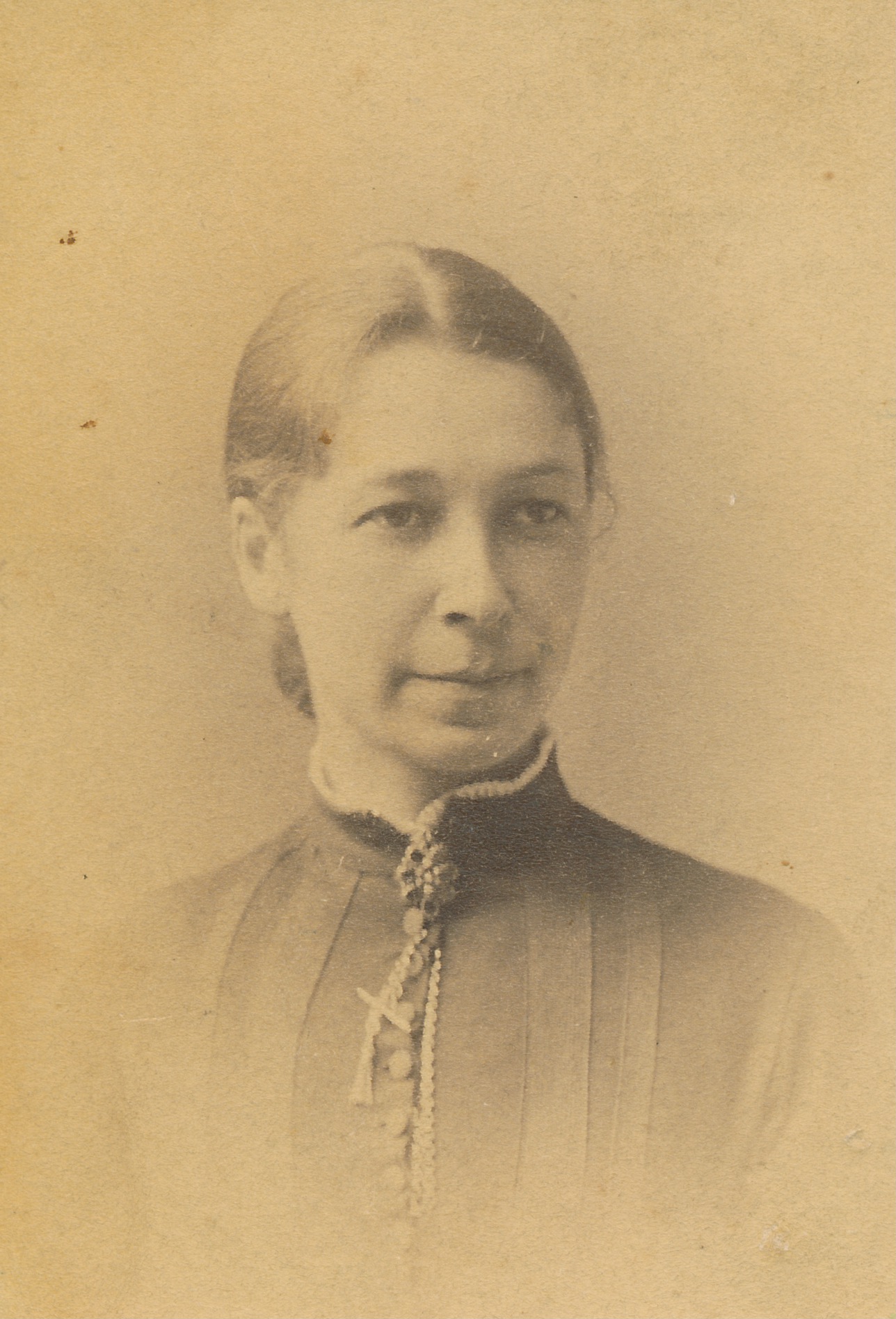 This is aunt Margaret’s sister, Karoline, probably in the early 1900s.
My grandmother’s aunt Margaret Wichstrom remained in Oslo, Norway, until her death in 1935 at age 81. My grandmother, Ellen Wichstrom Bonde, and she exchanged letters. I have a copy of one from her aunt that Ellen wrote with a blotchy black fountain pen. When I was in high school I remember seeing grandma writing things out while sitting in our living room in Dillon.
Here is a transcript—as exact as possible—of a letter Aunt Margaret sent to grandma Ellen in 1907, the year she married Carl T. Bonde in Sheyenne, North Dakota.
To Ellen Wichstrom,
About the family in Norway from Aunt Margaret. Kristiania, 25-10-07
Grandfather
Your grandfather was born 1812 and the 11-12 1883 died. He was your great-grandfather and great-grandmother’s only son, but they have two children, a daughter too. Aunt Karoline and I, we have neither knew our grandfather and grandmother. They were dead long before we were born.
But your grandmother told us children that your grandfather’s parents, they were old, amiable man and woman and both they were old.
Great-grandfather, he was born in Sweden. He came to Norway as young man so the family on your grandfathers side, descend from Sweden.
But your great-grandmother was Norwegian. Great-grandfather, he was mechanic, notable and high standing, master joiner in our town. So you see, it is that, I can tell you about your “great-grandfather and great-grandmother.”
Your grandfathers sister, our old aunt, she is dead for many years age 1872 [sic. I have been careful not to correct any apparent typos DRS].
We children, we be glad her and she be glad us, I can recollect.
Grandfather
He was a man of classical education, study “Jura” and grandfather in department, revisions-department. Grandfather working very hard for his family, he always working. It does honour to his memory.
Grandfather and grandmother
they had 13 children, many children, not true? It was their richness.
They had no money, I will tell you, more poor than rich, but they were “very happy” nevertheless. And I will tell you too, Ellen, about your grandfather and grandmother, they both were notable man and woman, humane parents, love and amiable, laborious, they went never weary of his pains, the great work, to provide his large family. We loved our parents and they were loved of all other too.
Grandmother
she was born 1823 and died the 8-6 1896. Grandmother was the eldest of 12 children. Grandmothers parents name was “Nielsen.” They had hotel here in our city, hotel “Copenhagen,” very good knew, but it is any more now. This your great-grandfather and great-grandmother we their children—brothers and sisters knew, I recollect them very well. We be very glad them. Great-grandmother, she be 80 years old, she died 1880.
Your grandmothers brothers and sisters, they all are dead, only a sister and an brother lives again. Our old aunt Karoline, we call her aunt “Lina,” she is not married; she is 68 years old. And uncle Oscar—my brother-in-law too—it is curious, not true? But, do you see; he was aunt Maries’ husband and he is your uncle too. I can tell about them that it was childhood love and they were of the same age. Your grandmother be married 18 years old. And uncle Oscar, he is the youngest of your grandmothers brothers and sisters.
Yes, dear Ellen, seeing that, this was about your grandfather and your grandmother as I recollect with love. And I find, we children, we never can thankful enough for all good they have done.
God bless their memory!
Now I will enumerate us—grandfathers and grandmothers large family after age: (But only 11 in that two children died as little baby.)
1.Uncle Anton…born 1843 …..dead the 6-5-1907
2.“Karl…..1844
3Aunt Marie ….1846……the 24-8-1900
4.Uncle Nils….1848…..1-12-1879
5.“Adolph….1850
6.Your father…..1852…..13-10-1893
7.Aunt Margrete……1854
8.“Karoline……..1856
9.Uncle Julius…….1860
10.“Edward……1862……….died 7-6-1893
11.Aunt Sophie…….1864………10-7-1889
Ya Ellen! It is not many of us again—and is an old allsamen.
Uncle Anton, the oldest of us, he was in department too. His wife, aunt Eli, and their children, only two, Thorbjorn and Elise.
Thorbjorn is 34 years old, he is commercial agent and he is married, his wife, Tally, and they have three children: Tystein, Rigmar, and little Harriet. They are sweet children. Your cousin Elise is 30 years old. She is not married and she is a teacher. Uncle Karl he is clerk and do you know, he and aunt Karoline and I, your undersigned Aunt Margaret, they have home together—grandmothers and grandfathers home.
Aunt Marie is dead. But her husband, uncle Oscar, lives and their two children, Maggi and Peter.
Uncle Oscar is organist and song-master, he is 62 yr. old. Maggi, she working at home but she is going to be married soon. Her betrothed name is Marsius Nielsen. He is young man ag very clever. Marquis has trans-missions-business-forwarding-agent or forwarder.
Enough droll, you, Maggi, she keep his own name as mistress in that they have same name.
Your cousin Maggi she is 23 years old.
Mr. Peter, he is 21 years old the 12 8 and he is work-jeweler as jeweler “Tostrup,” the first in our town.
Peter is a clever, brave young man and he is very good son for his old father, in all respects.
Uncle Nils He was student, he study; but he was theater director up in “Bergen,” and he died after three years expression. He was a friend of the scenic art—with heart and soul—himself was artist too. His name will live in our scenic history in Norway I will tell you.
His wife, aunt Kristine, and their only child, a daughter, your cousin Borghild, 26 years old, they live up in Bergen, where aunt Kristine is born. Aunt Kristine is teacher. Cousin Borghild, she draw-art-of-drawing but she is going to be married soon, her husband name Hans Ledekam, he is officer, captain, Bergen.
Uncle Adolph. He is office bearer, “judge” in Alben, Finmarken. Very clever, notable man. His wife, Aunt Helga, and their children: Sverre, Tin, Syrind. But they have had 8 children on the whole. There is dead 4 children as little baby and our dear Bjorne, he dead as young man 23 years old 1902. I am very glad him. Your cousin Sverre, is officer, captain, but he has study “jura” too as his father. He is very clever man, can you think, and only 29 years old. Sverre is married, his wife, Ingeborg, a sweet young mistress; they were married last year the 21-8-1906, and they have get a little baby now, little “Else,” a sweet little girl, they tell us in letter now. last letter from them. They live up in Alben. Tin is seaman, “second mate,” very clever son and very brave young man, he will enough with time be captain of a ship. Tin is betrothed with a young, pretty girl, her name Ragnier Darbo, she is telefonist and aunt Karoline is her superior. Syrian is going to Amerika—last year, I have told you this in letter, do you know, and I have sent you Syrind’s photograph too, but I should like to know, if you have received that. I hope so. Syrind has it good where he is, but he must working very strict, yet it is good for him. Syrind was a good boy but he was very lazy here at home. Syrind know very well to you, his cousin in Amerika, I can tell you.
Uncle Julius. He is merchant—now he has own business—colonial. His wife—aunt Ragnar and their children: Ragnar 12 years old, Bergljot 10, little Gunvar 7 years old. They are very sweet, frisky and clever children, and “Ragnar” is very begard, I will tell you, in all respects. They are all three our best friends and they are very glad us, can you think. But see, this, do you know, I have told you about them before and you have heard that of them. Lapnar too.
Uncle Edward. He was in the bank here, but he died only 31 years old.
Aunt Sofie. She was governess a few years and after that she gave instruction in music, in hvilk she was very clever. She too died very young, only 23 years old How near the young of us is you see above. — And lastly, my dear Ellen, a few lines about your father too, your dear father. Do you remember your father: Hardly, I think.
My dear brother Kristian, he went to Amerika 21 years old, the 25 June 1873 and we saw him never more again. He dead young too, as you know from your dear mother, children and his “dear” in Norway Yes! It was a hard blow for you, likewise for us here, “Grandmother,” can you think, in that uncle Edward died in the same year too. Your father came to “commerci,” he had commercial “spirit” and he was a very begard young man I will tell you. Here he was not pleased with his situation—therefore he moved to Amerika, he did it for his god. Yes, dear Ellen, I remember your dear father as young and very pretty man and very clever, yes ver well, and we have him allsamen — “your dear memory”! We were good friends—always—and it was or it is good to remember in that we saw him never more again. I will hope and wish, Ellen, too you children recollect your parents: but you remember best your dear mother, as your father died when you were “little”; yet sister Elise remember his father too, she was 12 years old.
Yes, your dear mother! She was a good and love mother for you—I knew therefore I say too: God bless her memory!
Now finally! I have done my best with the “generic description”—and not true—now or you know a little to the family in Norway—in that I hope, do you understand me, my dear Ellen!
Aunt Margaret
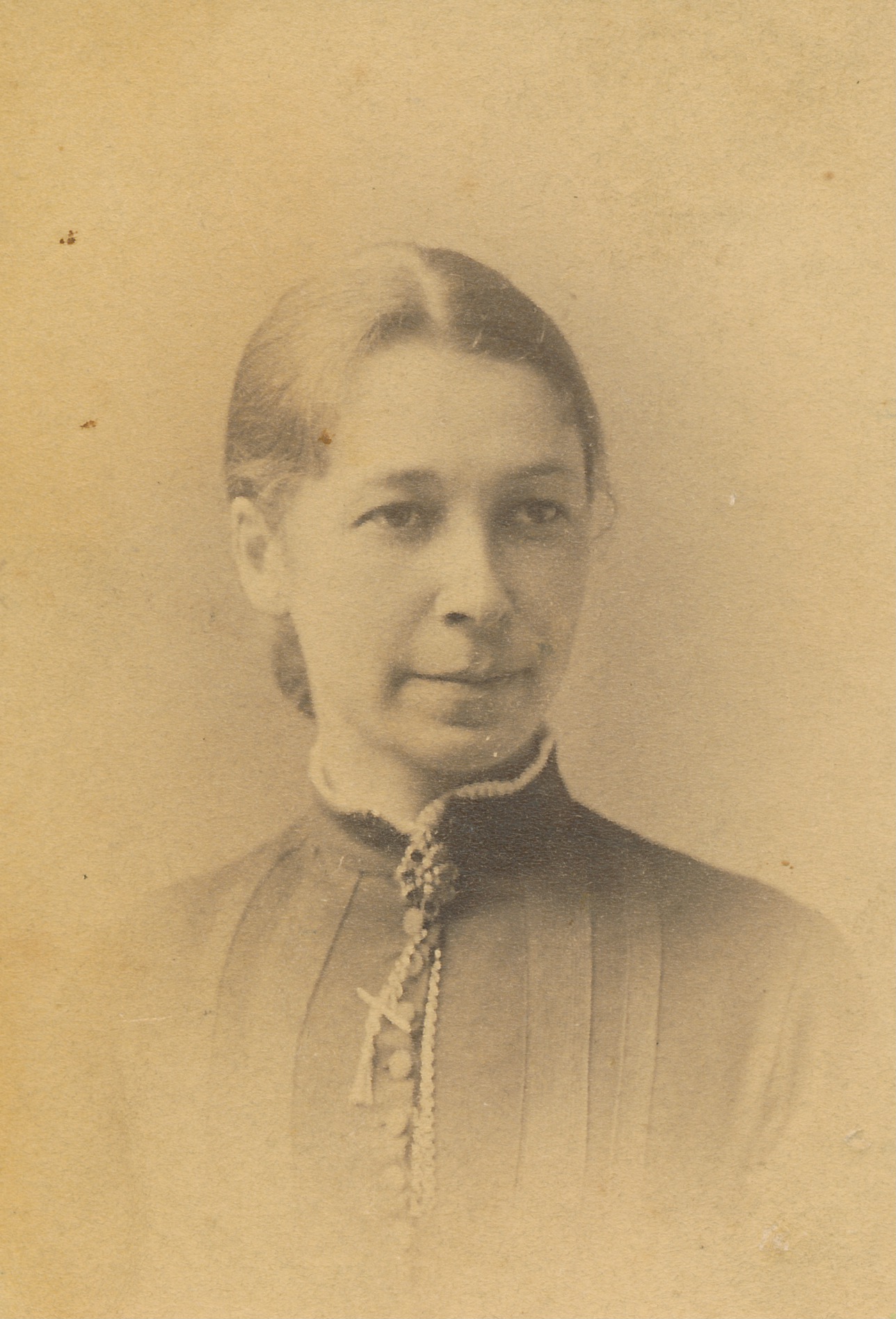
According to my Aunt Corinne this is my grandmother’s aunt Karoline (“Lena”), sister of the author of the letter.
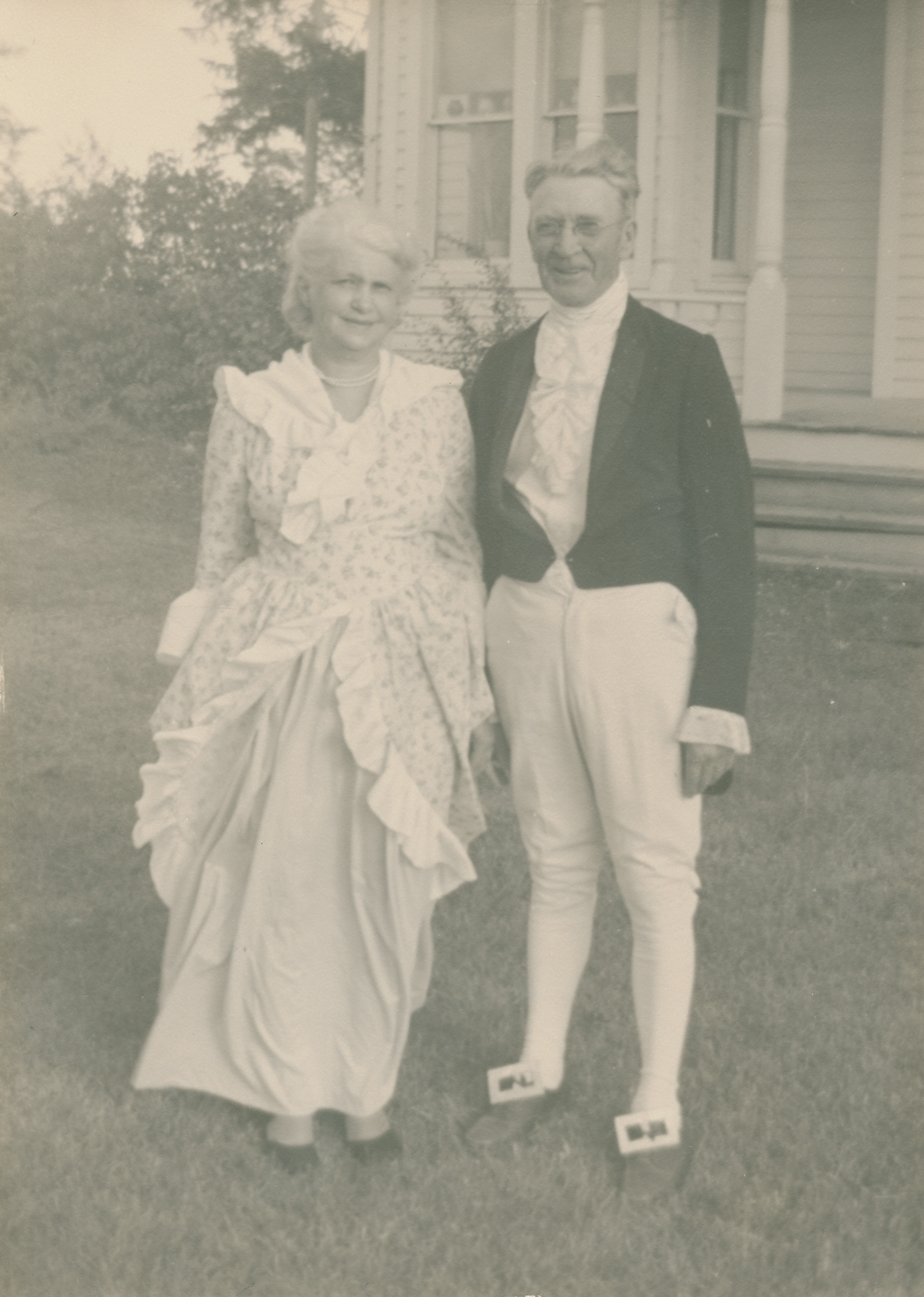 I don’t know why my grandparents wore these strange clothes. They are standing in front of the house in Kalispell, approximately where I scooped up some dirt to place in the English Channel where their son died in 1944, about 5 years before I was born. When I spoke to their son’s army buddies in 2006 I felt as if I had gone backward in time. Now that most of those guys have died I am more sure of that than ever.
 Bill WIlborn, Tom Struckman, and Terry Fitzpatrick were sitting in the dark in the upstairs of our house at 334 North Avenue West in Missoula when I opened the shutter, flashed the flashbulb, then closed the shutter. You can see the couch that came from our grandparents’ house in Kalispell. Bill is sitting in the overstuffed chair that our grandpa sat in for years. Grandpa died in 1958 so grandma moved in with us. Her bedroom was downstairs. These three teenagers were of the ‘beat’ generation. All were musicians. Bill played trumpet, Tom played French horn. I don’t remember what Terry played, but it may well have been the piano. We had a piano downstairs and I remember one of Tom’s friends playing some wild and crazy boogy woogy.
I generally wasn’t welcome company when these guys got together, but they were willing for me to take a picture of them. I had gotten a camera, a Kodak 116, which took a rather large roll of film, from journalism professor Olaf Bue. Professor Bue caught me prowling around in the journalism building, so he gave me a boxful of cameras and film and chemicals, loaded my bicycle into the back of his station wagon, and drove me home. He was well-known to my mother; he had taught at Kalispell at Flathead County High when mother was a girl. He was a colleague of my dad before dad died of cancer in 1953.
I don’t know where I got the flashbulbs, but I discovered I could make pretty good photographs with these bulbs, the kind you screw into a regular light socket. I used my grandma’s desk lamp, twisting the switch at the back to make the bulb flash.
I developed the film in the basement of our house. I had a good size darkroom with an electric heater in the winter. A pharmacist in downtown Missoula at the Missoula Drug Company and patiently, kindly, explained to me how to develop pictures. I believe that’s one reason I eventually studied pharmacy and worked a career as a pharmacist.
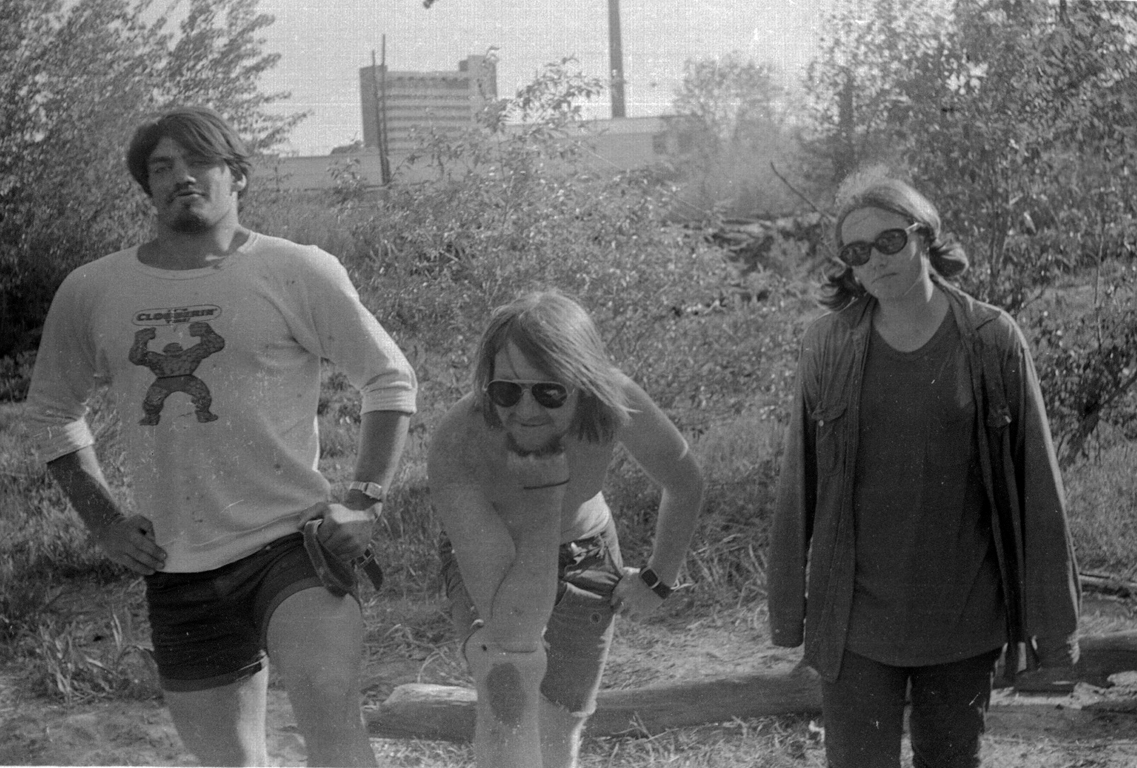 Here, in Missoula, in 1968 photographer Bill Yenne had Duck, Steve, and Becky pose down by the Clark Fork. Duck is wearing what possibly is the first Marvel sweatshirt ever made featuring the “Thing,” of Fantastic Four fame.
Anne, told me she was through with me, so I left Dillon the next chance I got. I was 18. I quit my summer irrigation job and took the car to see my brother Tom in Eugene, Oregon. The car? A 1960 Studebaker Lark VI wagon, that four of us bought for $60. Les must have made the actual purchase after we chipped in $15 apiece, because the title was in his name. I remember Duck paid his share with coins he kept in a milk bottle. Like that.
The four of us had planned to drive to California that summer of love, 1967, as soon as we graduated from high school in Dillon, Montana. Only I didn’t go with them because I had a summer job tending irrigation pipes in huge barley fields. When Les, Duck, and Tad returned from San Francisco they said they were glad I stayed behind as I would have spit tobacco juice in the car. Actually, chewing tobacco nauseated me, but the others chewed all the time. Turns out they drove to SF, tagged up, and turned around, drove back. Then Anne gave me the boot. I went to Oregon.
The June air was warm and smelled sweet, mixed with the smells of extra gasoline and tires that I carried in the back of the Lark VI as I cruised down the Columbia toward Portland. A beautiful evening when I heard the organ strains of Procol Harum’s “Whiter Shade of Pale” for the first time. I hyperventilated when I thought about the trouble I’d get into for splitting. (I had read Mark Twain’s Huckleberry Finn 5 times.)
In Eugene my brother Tom said some cops had visited him earlier that day. (Because of the car?) Tom said not to worry, everything was okay. Tom seemed to like me better when I misbehaved. I still don’t understand why.
Tom admired the car. In Eugene he rode a 10-speed. He said approvingly that the Studebaker was “adequate.” We went across town to visit his Montana friends Jerry and Judy. I asked them about getting some beer, but they had pot, so I tried the smoke from a briar pipe they passed around. I couldn’t tell any difference in the way I felt. I asked if getting high was equivalent to drinking about 6 beers. They just laughed. I sort of withdrew and asked Tom were they laughing at me? He said, “you’re high.” He said part of being high was being paranoid — feeling like others were talking about you.
We smoked the next day at the ocean beach. I wanted to write Anne’s name in the sand. My brother saw me do it, so I changed it to “I am…” Months later he quoted those last 2 sentences in a letter to me. Then he wrote, “I eat my lunch.”
I didn’t stay in Oregon long, just a couple days. Back home Les wouldn’t speak to me because I had taken the car without permission from my friends. Another friend, Ray, told me that Les didn’t want to associate with me anymore.
Ostracized, I drove my mother’s car on the dirt roads of Beaverhead County. Mosquitos. Cattle. Oppressive heat, even at the relatively high altitude there. Pleasant smell of sagebrush. I sampled a variety of weeds growing out in the country to see if any of them would get me high when I smoked them the way marijuana had. I helped some friends paint a fence that summer and made up with my friend Tad. September came around.
After a week or so in Missoula as a freshman at the university, I got myself a used army field jacket and colored my sparse beard with “mustache wax,” really just a soft brown crayon. A kid named Larry, wearing a brown leather jacket (that he later said he bought for a quarter) came up to me outside the Lodge near Craig Hall and said in a low tone, “Hey, know where I can buy some pot?” I replied. “No, but I wish I did.” I wanted the others to think I was hip.
I think a bearded guy in a sport coat named Gary sold me some within the next couple of days. Gary hailed from New York and had brought the weed with him. In those days you could get a lid of grass for about $7-8. John, from Boston, showed me how you opened up the baggie, made a face, and said it was skinny, whether it was full of stems or not, like that. Then you tried to bargain down the price.
Larry, Gary, John, and a whole bunch of other freshmen college men and women with longish hair or beards seemed to routinely gather at a particular table at the center of the food service cafeteria, so this was our circle of friends for several years. We became damned close. Alcohol had little attraction for us that year, but several of us started smoking cigarets and most of us, but not all, smoked pot when we could get some. Pills like LSD? None of us freshmen had pills, but rarely we trustingly bought them from older tougher hipper looking men and women. People from the West Coast. Mostly we could not get even pot. We spent evenings at a coffee house in the basement of a nearby Congregational Church, smoking cigs, drinking coffee, listening to a long haired soprano with a guitar sing a folk song, Joan Baez style.
Later that Fall, because I had gotten a $150 journalism scholarship from the Montana Newspaper Guild I was invited to attend a supper downtown in Missoula at the Florence Hotel. I went scraggly beard, field jacket, unshorn hair and all. I wondered if I would be welcome among all of the old straight people. I don’t think I had a girlfriend so I went alone. By then the pain of being dumped by my high school girlfriend had subsided.
About 15 men dressed in suits, or sport jackets and ties met me and shook my hand. I was one of 4 scholarship winners, including 2 women and another man, all my age. We sat together at a long table.
Oddly, one of the older men there told me that he liked my beard, that I reminded him of my late father, who had died in 1953 of cancer. My father usually wore a suit! Did he think my father would have posed as a hippie in 1967?
 Bill Yenne took this picture of me in 1968 before I entered the military.
As a child of — perhaps 8 — at school recess a bully chased me off the playground and onto the dirt and weeds toward the corner of the block at the boundary of school property. When I reached the corner I was perplexed, so I ran toward the bully! I felt exhilarated for a few moments while I wondered what I would do. I threw myself into his feet, knocked him down, then ran back to the paved playground, then to school as the bell rang for the end of recess.
During the Vietnam war (I should say “war in Vietnam” because no war had been declared) our government was drafting young men into the armed services. We had been told in 1967 in high school by a recruiter that every man owed 6 years of service. Generally, that would mean 2 in active duty, 4 in reserves.
Vietnam was deadly for thousands, according to the horrifying images on TV news. At the University of Montana in Missoula I quickly made friends with many who preferred smoking marijuana and taking a variety of hallucinogenic substances to being drafted. I pretty much lost interest in my student’s draft deferment. I thought in unjust that us white middle-class kids with the means to go to college should avoid the draft, even though I didn’t want — was afraid to — go into the army.
I ended up doing something like I did when I was 8. In 1969 I enlisted in the Marines.
“What are you running from?” asked the recruiter. He asked me if I had ever gotten in trouble with the law. I told him about the drunk and disorderly charge I’d gotten in Dillon, Montana. He checked that out and the next day the recruiter greeted me warmly and off I went.
Of course I was a terrible soldier. Although I tried to develop enthusiasm for killing people and I professed wanting to go to Vietnam, I was afraid. I figured my salvation would always be asking to be sent to the infantry to Vietnam. Instead, I got orders to Memphis Tennessee to aviation electronics school.
Always in my mind was the memory of my uncle, Carl R. Bonde, Jr., Private First Class, 66th Army Division, who had been sent to specialized training to the University of North Dakota under the ASTP program. Uncle Carl was killed before he ever set foot on France, Christmas Eve, 1944. Uncle Carl had been drafted. I didn’t want to be drafted. He had been enticed with high-tech training that turned into infantry.
Therefore, choosing a path different from my uncle’s, I wanted nothing to do with aviation electronics training. I was uncooperative and soon went AWOL in Memphis, spending several mosquito-infested nights sleeping in a park restroom. I remember feeling comforted by the hedges that seemed to thrive without anyone helping them.
When I returned to the Marine base in Memphis (Millington, actually) I was arrested and the next day, sent to the Commanding Officer’s office for non-judicial punishment. The major had my school record in hand. He saw that I was non-compliant with my training requirements, refusing to take notes, purposely failing exams. He asked me what I wanted from the Marine Corps.
“Sir, I’d like to see the Marine Corps flat on its back with its heels in the air, sir,” I replied. I felt emotional because I was still worn out from not getting much sleep in the Memphis park for several nights in a row.
The major got up from his chair, walked around his desk, got about a foot away from my face, and said, “I represent that Marine Corps! How would you like to put me on my back?”
My instinct was to say NO! I DON’T WANT TO PUT YOU ON YOUR BACK! But I didn’t say it.
I thought of my fellow Marines, many of them black, standing out in the sun, waiting for some officer or another intruded into my thoughts. Wouldn’t any one of them jump at the chance to slap this arrogant little bully? Of course anyone would. Therefore, I had no choice. So I did. I knew I would get into a mountain of trouble, but by God, I did and some of my muscles did the hitting while the other ones tried to prevent me! The muscles doing the hitting prevailed.
I got a court martial for that. And the brig. And after that, one of the nicest Marine Corps Air Stations in Southern California. Best of all, no Vietnam. Better than that, the US Military Court of Appeals found me innocent of wrongdoing because the judges pretty much said they would have done the same thing. My own mother agreed.


 insearchofbud