
London, England, December 23, 1944
Carl — his family called him Buddy — was in England, in the army, an hour by train from London. He was sitting on the step to the brick barracks at Camp Piddlehinton.
Things sure looked different now that the US had practically won the war. After D-Day, the allied forces pushed the Germans out of France. The rumor was that Hitler was on the verge of quitting and accepting whatever peace terms were thrust upon him.
Buddy didn’t know what to do with himself, so he stood and returned to his bunk with the straw mattress inside the barracks. He collapsed on it. About that time, Hank showed up, a tall lanky guy from the mortar section, with enormous feet. “Let’s go into town, Carl,” he said. “Let’s go see the sights!”
“You know there’s more to life than ‘sights,’” Carl replied. [Pause.] “There’s great big bouncy babes, too.” They laughed.
Carl grabbed his tie from the foot of his bed, inexpertly tying it as they walked over to the command tent where they could get 24-hour passes to town. With the Germans on the run, passes were easy to get.
Inside the tent, Carl and Hank had to stand for a few minutes behind five or six other GIs who were waiting to speak to the clerk who worked for the First Sergeant. The men called him the “First Shirt.”
Sure enough, the clerk filled out passes for them. They didn’t need to be back until the next morning at 11am. Christmas Eve was Sunday and the men had high hopes of spending some of their pay on presents for their sweethearts and for their families back home. Carl was hoping to do a little bar-hopping with his friends, maybe get drunk, then “va va voooom,” he thought, smacking his lips. He hoped to kiss beautiful British women. Hell, he heard there were plenty of women in London who would do it in a doorway for a pair of black market silk stockings or a carton of Lucky Strikes.
The train station was about six miles away in Dorchester, so the men stood by the road with their thumbs out. Soon a soldier they recognized as a general’s aide stopped his jeep for them. He was able to give them a ride the whole way. The clerk had to meet someone from the train station, top secret, he boasted.
The train car was wooden–wooden seats covered with plush cushions–wooden walls, varnished and shiny. The locomotive spewed huge clouds of black coal smoke. Luckily the wind was blowing from the land out to the channel that morning, because the cloud didn’t gag the men in the train as they headed for London. The group had the above-mentioned Hank and Carl, but also Bill Loughborough, Bill Moomey, Al Salata, Maurice O’Donnell, and Randy Bradham. Enough to start a game of bridge, even though they’d have to stop playing in just over an hour.
The train took them to Piccadilly Circus in London and they all piled out. Some of the men went to find something to eat. You could get fish and chips almost anywhere for a shilling. A couple of shillings and you could get a warm English beer, too. Only the beer in England was a true pint, way bigger than American beers.
Carl managed to slip away from his friends, saying he wanted to go browse a store for a chess set. He did this after all his friends committed to going to a show. A burlesque show with honest-to-goodness women with big, bouncy breasts.
Here’s where the story gets murky. Bill Moomey and Hank Anderson swore that Carl returned to the camp with them, but Bill Loughborough said he wasn’t quite so sure. In any case, subsequent events didn’t permit any easy answer to this question.
Chapter five
Standard Street apartments in Santa Ana, California
Penny and I married in Lewistown, Montana, January 30, 1971. She and I had a brief honeymoon: we went by train from Bozeman to Missoula where we stayed a couple days in the Palace Hotel, in a room with a noisy radiator that had been painted silver. I don’t know how we got around after that. I think we walked. Somehow, we got to my mother’s in Dillon, perhaps by bus.
Penny lived with my mother in Dillon for several months while I returned to Santa Ana to the helicopter squadron.
For those months, I continued to save nearly all of my military pay–about $100/month– at the base credit union. I lived in the barracks and ate in the mess hall. I needed several dollars a month to buy razor blades and laundry detergent, two items I couldn’t live without.
Each evening after work, I changed into civilian clothes and I bicycled around Santa Ana looking for an apartment to rent. I gravitated toward the majestic old bungalows with rooms to rent and shiftless looking people hanging out. I was a hippie at heart.
Then I got serious. I checked out the places other Marines rented. I found a modern-looking, if cheap, apartment on Standard Street in Santa Ana for $115/month. It looked something like a two-story motel with an inner courtyard. Other, similarly designed places, had swimming pools, but ours didn’t. The place I rented was on the second floor. An avionics guy from Texas in my squadron lived with his wife a few doors down from ours. He had a Volkswagen Bug and offered to give me rides. I had a bike, though, so I didn’t take him up on his offer unless necessary. He gave Penny and me a ride to Saint Joseph Hospital when Todd was born.
I asked around the helicopter squadron if anyone knew how I could earn some money. A gruff sergeant, who ran the group mail room, helped me get a job cleaning a Xerox regional office a few miles away. I had a bike to get me there.
Penny joined me in Santa Ana, California, in April, with a suitcase full of sheets and blankets and towels. Sergeant Bobby Haines drove me into Los Angeles to LAX to pick her up and drive us to our Standard Street apartment.
We had a dining room table, chairs, and a bed. Our books, most of them given to me by Corporal Jim Harrington, were lined up on the floor. Penny’s radio didn’t work. I kept my bike in the living room. As soon as I could, I bought a $50 radio with our savings.
A Stater Brothers grocery was on the next block, and Penny bought some rice, cheese, and cauliflower. I bargained with a produce man for a wooden orange crate to make a small bookcase. Cost me a dime. I bought a square iron skillet for a dollar, or so. I don’t know. Round ones looked so ordinary. I found a piece of weathered driftwood about a foot long and put it in our living room as an art object. Everything looked so plastic in the city. I needed something earthy, like a piece of driftwood. I’ll bet it’s around here somewhere, even fifty years later, like the square skillet.
The only recreation we had was reading to each other. Penny read aloud Monkey, a Chinese Folk Story, translated by Arthur Waley. When she finished, I read her Don Quixote, translated by Putnam. I was still reading Don Quixote when Penny was in labor with Todd.
Each morning, I cycled through the Santa Ana orange groves to the helicopter base where I worked until 4:30. Then I pedaled home to eat the cauliflower, cheese, and rice that Penny cooked. We couldn’t afford meat. We kept a notebook to record our expenses.
After supper, I bicycled to my evening job cleaning the Xerox building. I got shit from my boss for talking to the other cleaners. My supervisor was the same sergeant who worked in our squadron mail room, a depressed-looking guy who didn’t like me to lean on my broad dust mop and talk. I quoted to him from the I Ching that said words to the effect that a little recreation makes the work lighter and improves morale. The sergeant scowled, but I didn’t care.
I studied the Xerox corporate amenities that got more elaborate as I proceeded down the hallway and upward in the chain of command. Here’s what I noticed: The pipe tobacco of the vice president was Balkan Sobranie; in the president’s office, it was Black Mallory. I remembered Peter Koch telling me, back in 1969, about Black Mallory. Finest tobacco anywhere, he said.
The regional president had his own shower and dressing room. Vice president had a large waiting room, but none of the other stuff. Down the chain, the offices got smaller.
As we workers cleaned our way down the hallway from the apex of power, I noted a curious phenomenon: the number of staples in the rugs increased exponentially. We picked them out of the carpet with needle-nose pliers.
In those days (1970s), computer work meant punching eighty-column key cards. I never found out what all those staples were used for.
I’d get home to Standard Street about nine each night, ready for more reading.
Todd was born on April 29. I was in the maternity waiting room when Dr. Wing came in. “Mr. Struckman, Mr. Struckman, what do you want?” he asked.
I stood up, puzzled by the question. I replied, “A cup of coffee?”
“It’s a boy, Mr. Struckman!”
August 16, 2019
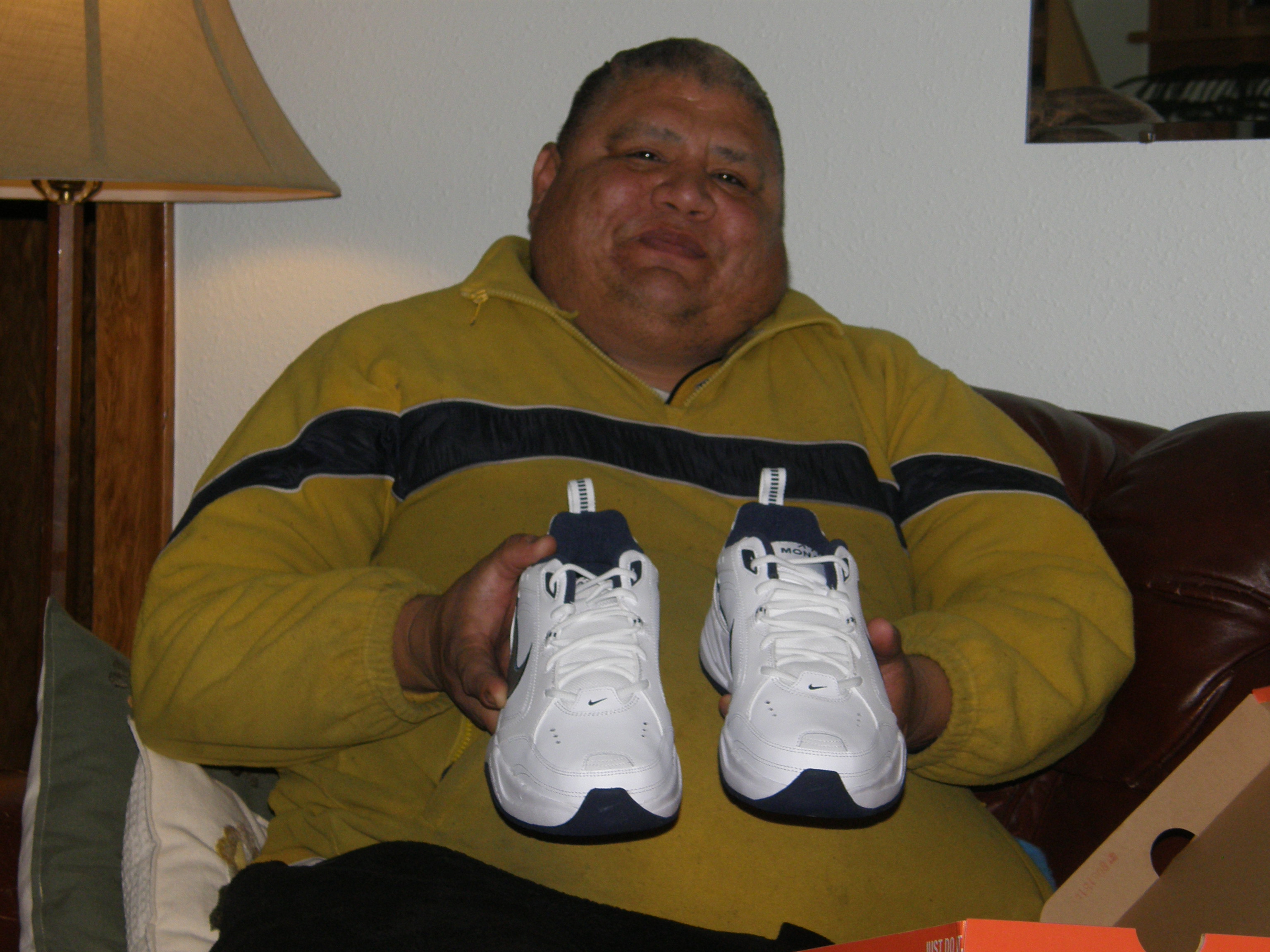
In my almost 30 years with Mr. Eddie (Snowbird) Alden, I sometimes said to myself, Wow. Someone needs to write a book. He was unique. Several people remarked on his singularity at his memorial service, that lasted two hours and forty minutes. Eddie was unique. I have never seen anyone even remotely similar to him. His life made sense to him. He was his own boss, a crime fighter. Like the Green Lantern.
Several times I asked him if I could call him Snowbird. “Call me Eddie,” he said each time.
Eddie was an iconic figure in Billings. He weighed more than 300 lbs, always wore a bright yellow fleece, unless the weather was hot, then he wore a clean white tee shirt. He pedaled slowly across parking lots, across streets. His hair was always cut short, less than a quarter inch. He had vertical black stripes on his scalp where his hair was a bit longer. He wore white Nike sneakers, white cotton socks, black sweat pants, the bright yellow fleece. He owned perhaps a dozen of those fleeces, which he stored at a unit on the West end of Billings. I helped him take a lot of his belongings from an apartment near 6th Avenue. As we drove away an old guy, perhaps a property manager for the basement apartment, called out to Eddie, “Don’t come back!”
Aside from angry landlords, he was well known, even loved; but sometimes hated. One Crow man told me as a child he remembered seeing Eddie and was afraid of him because he sometimes lurked at the corner of buildings.
How well known was he? This blog you are reading typically attracts one or two readers a day, sometimes as many as ten, when I write about picking up my small dog Gunther’s poop in the neighborhood.
The day I wrote about Eddie’s funeral service I got more than 500 readers! I think the most I had ever gotten was around 30, when I wrote about being depressed. I always took for granted that my blog posts are dull.
The day after that, the blog post about Eddie attracted nearly 8,000 readers! That number was back to about 500 today.
Eddie always liked publicity. I think he would be thrilled to know how his story attracts people.
Three days ago, Eddie’s memorial service was held at the Spirit of Life Four Square Church, in Crow Agency. Right around the corner from the old Crow Mercantile, which was across the street from the Post Office. I’d say 30 people attended, including four or five of us from Billings.
Eddie’s service was gorgeous, elaborate, beautiful—all those things. Two of his bikes were on display with his trademark 64-ounce Big Gulp soda holder. A two-liter Pepsi bottle, some cologne, a couple of radios, tape recorders, yellow fleeces. Lots of little touches. Grocery bags hanging from his handlebars. He didn’t always use plastic bags. He started out with paper bags, each reinforced with a half-roll of duct tape. Probably that was before he was settled in Billings, complete with lots of bicycles.
Over the years, I often asked Eddie questions and he would answer cryptically, “Yeah?” Example: “Eddie, are you coming over for Thanksgiving?” He would answer, “Yeah?” Me: “Is your apartment clean?” Eddie: “Yeah?”
The people at Eddie’s funeral extolled his virtues, which are approximately the same as those of any officer in law enforcement, except Eddie invented his own, volunteer, role. They said Eddie had some sort of disability, but he valued his family’s tradition of police work. Generations of policemen (and women, perhaps). Therefore, according to Eddie’s uncle Art Alden, “Snowbird had a siren on his bicycle.”
I think I’ve gotten ahead of myself again.
Eddie did not say much about himself, unless asked specifically. Even then, he was often vague. Example: “Eddie, what are you doing tonight?” Answer: “Oh, you know, routines.” I learned later that “routines” referred to the route he pedaled his bicycle.
I was shocked to learn that he had enemies. Oh yes. They were often his victims—people he turned in to the police, usually when intoxicated, often when driving.
One year at Crow Fair, which is a huge annual encampment each August of literally hundreds and hundreds of tepees—possibly more than even one or two thousand—I found Eddie pedaling his bike on one of the many curved roads. Typically, Eddie wouldn’t recognize me right away. The reason: non-Indians, like me, all look alike. But I called out Eddie’s name and he pedaled slowly to me. I never saw Eddie pedal quickly. I had driven over to Crow Fair early that morning for the annual “Teepee Creeper’s Classic” three mile run. I was expecting breakfast at a relative’s camp, so I asked one of the women there if I could invite “Snowbird.” She said, “sure.” I didn’t know it, but she was just being ultra kind and polite to me!
She fried up a rasher of bacon, which Eddie ate from a paper plate. Soon, my son pulled me aside. He told me that more than a few people in that camp had spent actual time in jail because of Snowbird’s ratting them out. I was never never NEVER to invite him to breakfast there again!
That’s when I learned of Eddie’s “zero tolerance” for the crime of possessing alcohol on a dry reservation. Both the Northern Cheyenne and Crow reservations are “dry.” Eddie also had zero tolerance for any natives that crawl out of a bar and get into a motor vehicle in the small hours of the morning when the places closed down. Eddie would certainly call the cops on them and that might result in going to jail.
But Eddie didn’t mind at all if I drank. He even provided me with wine the last few years at Christmas. Always great generous bottles of pink, or this last Christmas, merlot. He had gone to some trouble to find out what kind I liked. Last Christmas I sat with Eddie and drank a few glasses of the merlot. Our conversations went something like this:
Eddie: Dan?
Me: Yeah, Eddie?
Eddie: Dan?
Me: What is it, Eddie?
Eddie: Does Jon want to buy me a gift card for the Holiday station for Christmas?
Me: How would I know? Why don’t you ask Jon?
Eddie: Yeah?
Sometimes I bought Eddie black sweat pants for Christmas, sometimes shoes and socks. One time, I bought him a 12 pack of Mountain Dew, which I wrapped in shiny paper with little trees on it. After he unwrapped it, he put it on the floor. He looked at it, then at me. “This is it?” He didn’t bother to take it with him.
That’s why I often said that I didn’t really know Eddie that well, despite being acquainted with him for almost 30 years. Part of the problem was that I frequently was critical of him. I scolded him for teasing the Bureau of Indian Affairs police officers by carrying around pop in a Budweiser beer box at Crow Fair.
I got perturbed when he got into trouble, usually having to do with his relationship with a landlord, and he asked four or five different people for help, but didn’t tell any of them about the others. “Eddie, you need someone’s help,” I said. “But you don’t need four people who each think they are the only ones helping.”
Eddie kept his business to himself. He frequently lined up several unrelated groups to help him celebrate his birthday. On the big day he stopped in at one after another: the police department, legal services, the Billings Gazette, my house, his sister’s house. When things went well, he couldn’t help exulting.
I didn’t know Eddie 30 years. I knew Eddie 1 year, 30 times. I miss him because his independence delighted me. A legend in his own time.
I criticized Eddie for hoarding stuff in his apartment. That’s one of the reasons he got eviction notices. His places were frightful.
I didn’t visit the last three places he lived because I felt depressed when I could barely fit through an aisle of plastic trash bags filled with filthy blankets, gray sheets, phones, sweat clothes, socks, batteries, tape recorders, hair clippers, bicycle parts, radios, cameras, new bike helmets (never worn—I don’t know how often I urged him to wear his helmet. His answer was always, “Yeah?”)
Pill box organizers, prescription bottles, envelopes, newspapers, hunters orange gloves, empty soda containers (large) cologne bottles, more envelopes, posters, tools, telephones, more telephones, more bike parts, underwear, camping gear, televisions, fake flowers, food wrappers, bottles of cleaners, vacuum cleaners, neck ties, suits, mattresses, more radios, toy police cars, flashlights, flashlight batteries, a bull horn, a siren, blue and red flashing lights, more toys, hats, hats, more hats, coats, old shoes. Garbage. Newspapers. Like 40 copies of the same date.
Fire crackers, bottle rockets, matches, other toys, an empty whisky bottle, pepper. More pepper. Thirty cans of black pepper. And telephones, police scanners, police scanner parts, bicycle seats, bicycle wheels, tires, tubes. More receipts, paper, a huge pile of bike wheels, bike frames. A couch, under there somewhere. ID cards for random people. Panty hose. Telephones. Cooking pan on the stove, with grease.
I’d ask Eddie the last few years: “Are you keeping your place pretty clean?” He answered: “Yeah?”
“Really?” I continued.
“Yeah.” He said. Well, I couldn’t vouch for his honesty in that regard, but I never checked.

When Mrs. Daisy Jacobs taught our second grade class she spent time after school with the neighborhood tough kid, Sonny. He threw rocks at our feet. This kept him from getting in trouble because the bruises didn’t show.
Sonny chopped his brother’s index finger off with a hatchet. His brother Raymond was the nice kid in their family, but Mrs. Jacobs didn’t have him in her class.
I don’t know how often we filed home past Mrs. Jacobs and Sonny, who were whispered to be having a heart-to-heart about his behavior.
Mrs. Jacobs bought Sonny gym shoes because his parents couldn’t afford them.
My mother taught second grade also, after Daddy died, but not in the same school. I’m not sure how Mother regarded her, but I thought Mrs. Jacobs was a great teacher because she liked me. She correctly predicted that I’d be a pharmacist some day. Well, she said that my interest in chemistry could help me.
Moreover, she lived just a few blocks away, so I often walked past her house where she and her husband had their store, the “Food Center.” They had no children. She looked in my ears when she caught me walking past. Said she could plant potatoes in my dirty ears.
Mrs. Jacobs was mid-career in the early 1950s when I had her for second grade. I learned that during the 30s and 40s, teachers were exposed to the progressive ideas of a pioneering educator, John Dewey. He taught the concepts of respect for student diversity and student-centered learning, ideas congruent with the methods of Mrs. Jacobs. I learned about Dewey when I Googled “teacher training in the 1920s.”
I also learned teachers then were beginning to form unions. In Montana it was the Montana Education Association and the National Education Association. Mrs. Jacobs expressed pride in her profession and her loyalty to the union.


This paper is not great. I’m trying to improve the quality.
July 30, 2025
Warning: there are un-beeped curse words. Actually, if you have no interest in making paper, stop reading. Now. I mean it. Now. Good.
Here’s my (lack of) progress report on paper-making.
Review: Ash Wednesday, 2025, I vowed to make handmade paper to print a poem. Printers call sheets with poems broadsides. I vowed to create a broadside in 2025. I had a favorite poem, an introduction to a book, really, by our family friend and widely known literary critic, Leslie Fiedler.
The equipment and materials for paper making are mostly to be found in my house. Or at an art supply store. I prefer Michaels over Hobby Lobby because the latter supposedly denied insurance covering birth control. An auto parts store was helpful.
I needed a mould and deckle. I’ve used picture frames before. This time I bought two 11 x 14” framed canvases. Removed canvas from both, pried out staples. I saw on a Youtube video a guy used bees wax to waterproof his mould and deckle. I bought a piece of metal window screen for the mould. The deckle was ready as soon as I waxed it. I didn’t need to wax it. But it was fun to get the bees wax.
Looked around, found a plastic storage bin in the basement to serve as a vat. It held the 10-15 gal. of water slurry.
I bought as many 11 x 17” pieces of felt as I could find at JoAnn’s Fabric. Perhaps 30. I washed them in the washing machine at home.
I used my spouse’s kitchen immersion blender. Then I ordered a new one from Cuisinart to replace the one I used for paper. I used our kitchen blender also.
Books. I got several from Susanna, my daughter-in-law, for birthday gifts. They tell how to make paper.
Big yellow sponges. I got these from a Napa Auto Store. One would have been plenty, although they wear out.
I am looking to create fine paper, and I’m starting with practically zero experience. So I splurged when I visited the website for Carriage House Paper. You can purchase thousands of dollars worth of equipment and supplies there. I bought a minimum amount of cotton linters. Three pounds, I think. They come in a box as thick white sheets of paper. You tear the linters into small pieces, then I put them in a blender with water. I figured I’d get the finest fiber available to serve as a benchmark of quality.
Once I got the fiber suspended in 15 gallons of water in the vat, I dipped the mould and deckle as one, into the vat and pull it up flat so the water sieved down through the captured pulp and screen back into the vat. I then couched the wet mat of fibers onto a felt. Repeated. Once several felts with paper pulp mats are stacked into a post, the post is pressed between boards to squeeze out as much water as possible. The felts and papers are hung up to dry. Often the dry paper is peeled off the felt later.
The result of repeating the above for six months, was that I created an uncounted stack of shockingly white paper, not too strong, with many lumps and clumps of fiber. I sorted out my work, even weighed each sheet on a gram scale, to make up batches of similar sheets. I printed my poem. Elation!
Then I got a new knee. This inconvenienced me.
No paper-making for about three months. Last week I took my paper-making project to the back yard because it is summer. Using cotton linters again, I made perhaps a dozen sheets, lumpier than ever, but actual paper.
Penny and I drove to visit our son Todd’s family in Duluth, Minnesota, last week.
The story gets marginally better. Susanna showed me in her Duluth studio how she takes a handful of shredded paper (she bought a shredder for that purpose), puts it in a blender with lots of water, and in 30 seconds, or so, she has a slurry with v. few lumps. In other words, a way to make super fine paper. She couched (say “cooched”) her wet mats onto fine woven cloth sheets, instead of felt. The first few didn’t couch well, but that improved after a few tries. She also used a fine mesh, she called “no see-um.”
Result: I’m asking my sweetie for an old bedsheet. After that I’ll try again to make paper, but with fiber from the shredder. In other words, I’m still far from reaching my quest, but now I want to try to emulate Susanna.
I don’t know how to break the cotton linters into fine enough pieces to make a uniform slurry. (Yes, I know about the Hollander beaters. In fact, the art department at the local university has one. The director won’t return my calls.)
I need smoother felts. I need to make hundreds of more attempts.
I’ll end with a bit of chemistry. Water’s physical properties owe much to the hydrogen bonding of its molecules. Those bonds are relatively weak, but in the aggregate, are strong. It’s what keeps our DNA together. It also keeps the finely divided fibers of paper — the cellulose — attached firmly to other such fibers. Water is the perfect medium to suspend cellulose fibers (attached to water molecules) before they are smashed together physically to create a strong, beautiful, sheet of paper.
Many plant fibers are useful for creating fine paper, even the apple pulp left over from a cider press.

July 16, 2025
Today my ground-breaking triumph, “How I Improved the United States Marine Corps,” appeared as a Kindle(R) edition. Apparently, you might be able to download it freely, for a short time. After that it will be $5. I saw no image on the Kindle advertisement, so that bummed me, like out.
Now, back to transcribing the letters from my uncle Carl (Bud) R. Bonde wrote home from army training, this time from Camp Rucker, Alabama. I’m guessing 1944, but none of Bud’s letters are dated. In 1944 Bud’s 66th Army Division transferred to New York, for further transportation by troop ship to England.
Note this first letter home was before Bud was finished with A.S.T.P. in Grand Forks, North Dakota. I have a photograph dated, Jan. 1944, with Bud’s image, of his platoon at the University of North Dakota.
7. [Pencil on three sheets of plain 5×9.5” stationery.]
Dear Mother and Dad: Sunday
Well I’m going into my last week here. Final examinations this week and back to the troops next week. We’ve had physical examinations almost every day this week. It seems that there’s a couple of scarlet fever cases in camp.
I went to Fargo last week had a pretty good time down there. They have a A.S.T.P. unit down there, and there’s a couple of fellows from camp crowder going there that I know. From what I saw and heard down there they have it even nicer than we do. They don’t have evening study hall and they can get week end passes almost any week end.
We get a diploma and a carton of cigarettes when we leave here.
One of the civilian classes is applied physiology ran a test to prove the falsehood of cigarette advertising. Me and Siefeldt were a couple of the victims. They blindfolded us and gave us 7 different cigarettes to smoke. We were supposed to name the brand. I only got one right, that was “Spud” it’s a mentholated cigarette.
This week end I and a fellow named John Coleman went out together on a blind date. The girl I got was a school teacher visiting her sorority sisters, she is the same age I am, and belongs to the Kappa Alpha Theta sorority. Her name was Marjorie Renoldson.
Well here comes the inevitable. I’m broke again. We ship next week and I have to pay for my laundry, cleaning, and drawing equipment, so will need about, should we say, a “sawbuck” $10. Siefeldt says to write — “don’t forget that I am your only son,” For best results should reach me by Saturday of this week.
[No closing, no signature.]
8. [Smaller Camp Rucker stationery, in ink.]
Dear Mother and Dad:
I got the five dollars you sent, and also the five you sent just before. I think I have told you before, but in case I haven’t: I got the underwear you sent also. As usual I haven’t done anything interesting, so there isn’t a great deal to write about, aside from our regular training we’ve had several inspections this week. Rifle inspection, clothing inspection, and equipment inspections. After retreat I usually go over to the P.X. and get some ice cream, then come back to the barracks and read a book and eat ice cream. All very boring. I received a letter from Corinne Friday. Also got another letter from Ken Brust. He expects to get a furlough sometime in June.
I wrote to Mrs. Baldwin for Roger address so maybe I will get a letter from him soon.
I go out on the rifle range next week again to fire the B.A.R. (Browning Automatic Rifle). After that I fire the carbine and the machine gun.
Love Bud
9. [Larger Camp Rucker stationery, in ink. The pages are each embossed in gold “United States Army [eagle motif] Camp Rucker Camp Rucker, Alabama.”]
Dear Mother and Dad:
The division celebrated its 1st anniversary this week, and I did a little celebrating myself. They started Friday morning with a big parade, the whole division (15,000 men) passed in review. After lunch 75% of the men got to go on pass until Monday morning. Me and McKain (that’s my new buddy now) decided we didn’t want to go anywhere, so we would stay in camp and let someone who — really wanted to go —go. But the more we thought about it the more we decided it would do us good to get out of camp even if we didn’t go anywhere in particular. So we finally talked ourselves in to it and went down and got our passes. The three of us started out —me, McKain and Telling (another buddy). By the time we got to the bus station it had started to rain and we were soaking wet, but we decided to continue on come hell or high water. We finally got into Dothan after a miserable ride on the bus. The first thing we did was dash into a restaurant for something to eat. While we were eating we discussed the situation and finally came to the conclusion that we would take for Tallahassee, Fla.
Just as we were to leave the restaurant we ran into a fellow U.M.D. student and we stood around and batted the breeze with him for awhile. He asked us where we were going, and we said Tallahassee. He says “don’t you remember Eugene Dunaway he lives in Tallahassee.” Eugene Dunaway was also a fellow U.N.D. student who flunked out in the second term and was sent to camp crowder. It so happened that this fellow we were talking to was a particularly good friend of Dunaway and he gave us Dunaway’s address in Tallahassee. We didn’t really expect to use the address at all.
We got a bus out of Dothan for Tall. at eight o’clock Friday night and arrived in Tall. at 12”30 that same night. We only had one clean uniform on and by the time we got to Tall. we looked like bums. We stood up on the bus all the way.
By some miracle and after trying about three hotels we finally got a room, we were pretty down hearted. Ny the way I forgot to mention — it had rained all this time. Next morning (we got up at eleven o’clock) the sun was shining and after having a good night’s rest we felt a whole lot better. The first thing we did was get a shoe shine, next we had dinner, and then went out and got ourselves some new uniforms, which set us back $15 apiece. When we were waiting for our pants to be altered we took in a little bit of the city. We went in the capital building of Florida. Saw all the old relics of the civil war, went into the room where the state legislature meets etc, etc. While we were wandering around town we went into a jewelry store to get a and for Pellings’ wrist watch and while were waiting for the band to be put on, we got in a conversation with the clerk. We asked her if she knew a Mrs. E.P. Dumnaway. Why sure she works just across the street. So we decided “what the hell as long as we were that close we might as well go over and see the old lady.” Mrs. Dunaway was delighted to see us, and nothing we could do but must come out for dinner that night and sleep in Eugene’s bedroom. So she called up her daughter and her daughter came out in the car and picked us up. Now it so happened that her daughter is a student at the Florida state college for women and so from then on we were really set up for the week end. The college was putting on a May Day program so we picked up two more girls and went out to the college for the show. After that we went over to Doris Dunaway’s sorority and she showed us around. We played records etc. By this time it was time for supper so the girls took us out to the hotel where we picked up our suit case (and all the towels in the room).
We had supper out in the back yard. They had a fire place out there (it was just the sort of a back yard you would want). After supper we went to a night club about two miles out of town and had a few drinks etc. After that we drove around awhile and then went back to the Dunaway house for sandwiches. We took the girls home and that wound up the evening. Sunday morning we got up bright and early had breakfast and then went out to the golf links for a game a golf. Never having played golf I didn’t do too good, but on the other hand I didn’t do too bad either. With the exception of Doris Dunaway we had a brand new set of girls to go with our golf. After the golf we came back for dinner (Southern fried chicken). After dinner Mrs. Dunaway took our pictures, and also made us sit down and write a letter to Eugene — her son. After that we just had time to catch our bus. I’ve never had a better time in all my life. Mrs. Dunaway treated us just like you and dad treat the fellas I bring home. She’s about forty five years old I should say, she has a five year old son, a nineteen year old daughter and I guess Eugene is about my age or maybe a little older. They have a beautiful home — a colored maid and all that sort of thing. The old man works for the railroad so we didn’t see much of him.
Tallahassee is a beautiful place even prettier than Kalispell. I sure get a kick out of this Southern drawl we kidded the girls a lot about their drawl. We have a standing invitation to come to the Dunaway home any time we come down there. I spent almost every cent I had but I think it was well worth it.
Love Bud
10. [Ink on larger Camp Rucker stationery.]
Dear Mother and Dad.
I haven’t been able to write all week because of the lack of time. We have been out toe rifle range every day this week. We got up at a quarter to four and walked out to the range; stayed there all day and came in about 8 o’clock in the evening. By the time I had eaten supper and cleaned my rifle I was too tired to do anything but go to bed.
I received the underwear and stockings you sent, and was half mad and highly amused at the same time. When I said I was short on underwear, I meant I could about about a half a dozen or a dozen pair. As for stockings I want some heavy athletic socks (cotton). The G.I. laundry is not too reliable. I have to go dirty for a week or or two if I don’t have plenty of clean clothes. Either that or wash my own clothes, and I’m too tired after a day in the field to do that.
I guess I have received all the money you sent. Pay day is tomorrow and I will receive about forty dollars.
I got a letter from Helen the other day. She sent me some pictures of Tommy and Carol. Also got a letter from Corinne. I to a letter from Kenny Brust, he is in the 21st Arm’d Inf. He says he expects to go oversees soon.
Well I haven’t done much this week so I don’t have a great deal to write about.
Bud
please send me some underwear ! !
July 13, 2025
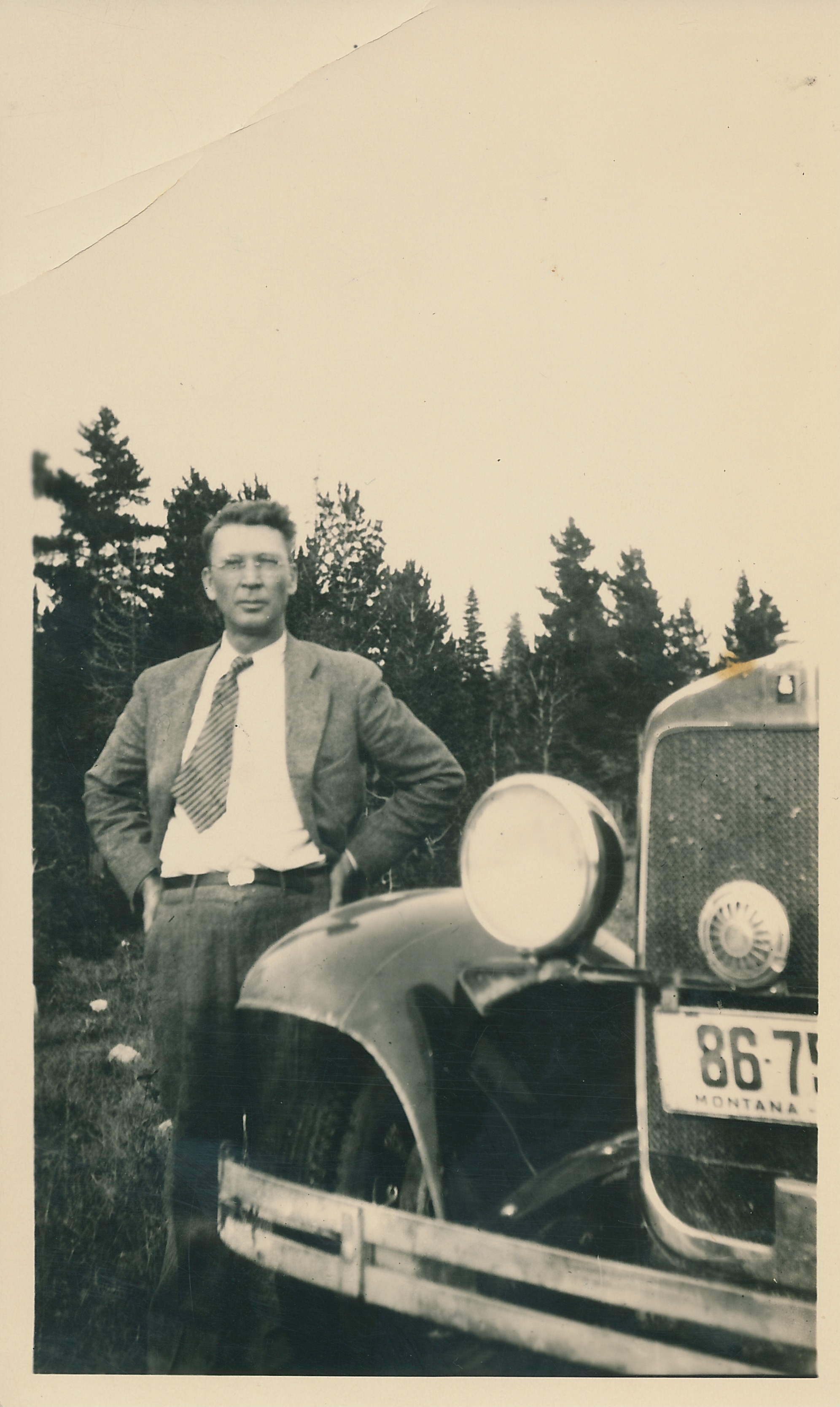
Somehow, my aunt Corinne got a copy of her dad’s letter to Bud, dated May 14, 1943. At that time Buddy would have been in the army most of March, all of April, and half of May. Bud’s father mentions things Bud wrote in some letters from Atlantic City, where he apparently had basic training at “Camp Boardwalk.” This training facility was used for the burgeoning Army Air Forces, which could explain the stationery Bud’s letters were written upon. According to Wikipedia, army basic training was 17 weeks in 1943. Here’s a transcription of the letter, written in Carl T. Bonde’s flowing penmanship.
Kalispell, Mont. May 14 – 43
Dear Bud,
Received your letter to day that you mailed Monday. This is Friday. I mailed you a letter last Friday afternoon with $5.00 inclosed. Figured you would get it Monday if I had thought that it took so long I would have wired you the money but hope you get it not later than Tuesday. I have also mailed a couple letters since inclosing a $1.00 bill in a couple of them let me know if you got them alright.
We are sure glad to hear you are getting along so well. If you get sent to college what will you take up. You said it would be a good chance for O.C.S. What does that mean. And what does CSCRTC stand for.
Go after the college course whatever it is as that will be a big help to you. Chet did not go across yet Harry told me today that he had — all his teeth pulled, so he would not go for a while.
Today it has been half snowing and half rain but this evening is beautiful.
I was looking over my trees and there are 9 of my apple trees in blossom. 3 plums and all the cherry trees. Can not tell about the pear tree yet it is so late on account of it has been in water for two or three weeks. The water is still over the bridge. and there is quite a few fish have come up. I do not know what they are but I am going to try and find out. The are breaking water all day.
My chicks are now a week old and have only lost three out of 202. I have a dandy home made brooder for them.
Saturday and Sunday I am going to finish planting my garden and then I am going to finish my barn,
Your first 25.00 bond for April arrived today. Did you get your pay check yet? and how much was it. how are you fixed for money will enclose a $1 bill.
Bob Brust had a letter from Kenny and he told his father he had seen the first pay day in the army he said the gambling started right now and it was not long until most of them were broke. he says Dad you don’t need to worry I have seen enough of the gambling I won’t do any.
Got the book of the month catalogue deleting books for many they are (Winters Tales) by Isak Dinesen, (Combined Operations) by Hilary a 8x George Saunders.
Mother says she is going to let their course.
Are sure glad you are sending a bond a month home (“It will be so nice to come home to”)
Am enclosing Kenny’s address for you. Mr. Whitwell said Feriman had a letter from you to day.
We sent your new address to the girls so you will hear from them soon.
I have a brother in Kansas. I do not know how far it is from Crowder Camp but I will write to him it would be nice if you could get to see them if got a week end off you could go there (over).
Mother says to tell she is all puffed up to hear that you were chosen with the 18 for the college course and also as assistant section leader (say nothing about dad) we were much pleased to hear you are getting along so good, you have a wonderful chance to you to make good.
I sent you a carton of Camels Wednesday from Columbia Falls. Did you get them. Let me know how you are financially, so if you need anything let me know.?
Will write again soon and you must write as often as you can Mother goes to the mail box every day to see if there is a letter from Bud:
With Love From
Your Dad and Mother.
My brother’s address
is Alfred Bonde,
621 N8th
Independence
Kansas.
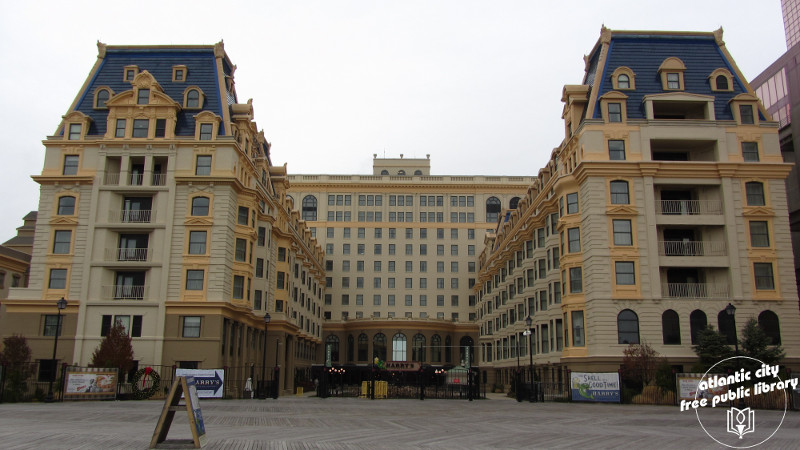
I am continuing my transcription of Uncle Bud’s letters home from the army, all undated. One batch of three is pencil on plain paper. The second batch of three is pencil on United States Army Air Forces stationery. Then another plain paper letter, and lastly, three letters written in ink, on Camp Rucker, Alabama, stationery. As mentioned, no dates on any letters. I’ll arrange them in close to chronological order later.
Remember that Buddy was inducted into the army March 4, 1943. He went to basic training, he may (or not) have been sent to another army camp before A.S.T.P. in Grand Forks, North Dakota. From there, it was Camp Rucker, Alabama with the 66th Army Division. In November, 1944, the 66th Panther Division embarked to England for staging and training. December 24, 1944, they were shipped to France for further transportation to the battle front.
Here are more transcriptions:
4. [Pencil on 8.5×11” plain sheet.]
Dear Mother and Dad:
For the last 3 days and nights I have been traveling. I now find my self in the swankiest Hotel in Atlantic City, New Jersey. We left Fort Douglas [Utah] Thursday and arrived in Atlantic City Sunday night. The big towns we went through are as follows. From Salt Lake to Denver to Lincoln to Omaha to Burlington to Chicago to Fort Worth to Pittsburgh to Philadelphia and on in to Atlantic City. The hotel we’re in is a great big tourist outfit. I have a room overlooking the beach and Atlantic Ocean. The bath tub has hot salt water, hot fresh water, cold salt water, and cold fresh water, four taps. We only stay here a month or 6 weeks for basic training, marching etc. We are then shipped to our various tech. schools. There were forty three men that came out from Fort Douglas. I was the only one from Kalispell. After I have been here awhile I’ll know what the score and be able to tell you all about it. Ever since I’ve been in the army I haven’t known what’s going to happen to me. When we left Fort Douglas we didn’t know where we were going until we pulled in to Atlantic City. You might send me about 5 dollars as soon as you can.
Love Bud
P.S. I took out 10,000 dollars of insurance and bought a $10.75 dollar bond a month.
5. [Pencil on United States Army Air Forces stationery 6×9.5.” Three pages.]
Dear Mother and Dad:
From all information I’ve been able to get, I’m now in the army air corp. This Station I’m at is a A.A.F.T.T.C. which means Army Air Force Technical Training Center. We spend about 30 days here, marching, taking tests, listening to lectures, and so forth.
During these 30 days we are interviewed and classified on the basis of the written tests and interview. No matter how ignorant you are you’ll still get some job in the air corp. I think that I have a very good chance to get in the radio end of it. So much for that.
I got a pass last night any got around the city a little bit. I walked up and down the world famous Boardwalk. Little did I ever believe when I played monopoly I would really walk on that famous street.
You remember the Boardwalk on the Monopoly game. There’s a shop on the Boardwalk that sells saltwater taffy, and they have a mail order service, so I ought a little barrel of and sent it to Mother. All along the Boardwalk itself is a big wide side walk made out of wood with the beach and ocean on one side and huge hotels and theaters and shops on the other side. My room is in the Dennis Hotel, overlooking the Boardwalk and ocean. A room like we had would cost you 18 bucks a day in peace time.
I consider myself ben fortunate to be in such a place and also to be in the army air corp.
I’m fresh out of money so that you had better send me about 5 bucks. I’ve had to buy quite a bit of stuff, such as soap and soap containtic [?] and stationery, hangers and various other articles. If there is any particular thing you would like me to get you let me know.
I supposed I will be leaving here about 3 weeks or maybe four weeks, to some school in a different part of the country.
Were you surprised to get a letter from New Jersey.
Love Bud
6. [Pencil on United States Army Air Forces stationery 7.25×10.25.” One page.]
Dear Mother and Dad:
I haven’t written for several days, but have received almost a letter a day from you. Keep up the good work! I’ve received letters from the girls too but haven’t answered them yet. For the last three days now I have been out on the rifle range, we go out at 7 o’clock and don’t get back until 6 or 7 that night, when I do get back I’m too tired to do anything.
I signed the payroll yesterday and will be paid the first of the month. Right now I’m flat busted, and have my laundry out getting washed. I suggest you wire me about five dollars as soon as you get this letter. I expect to be shipped out of here next week.
Love Bud
Did you send the pictures yet?
July 10, 2025
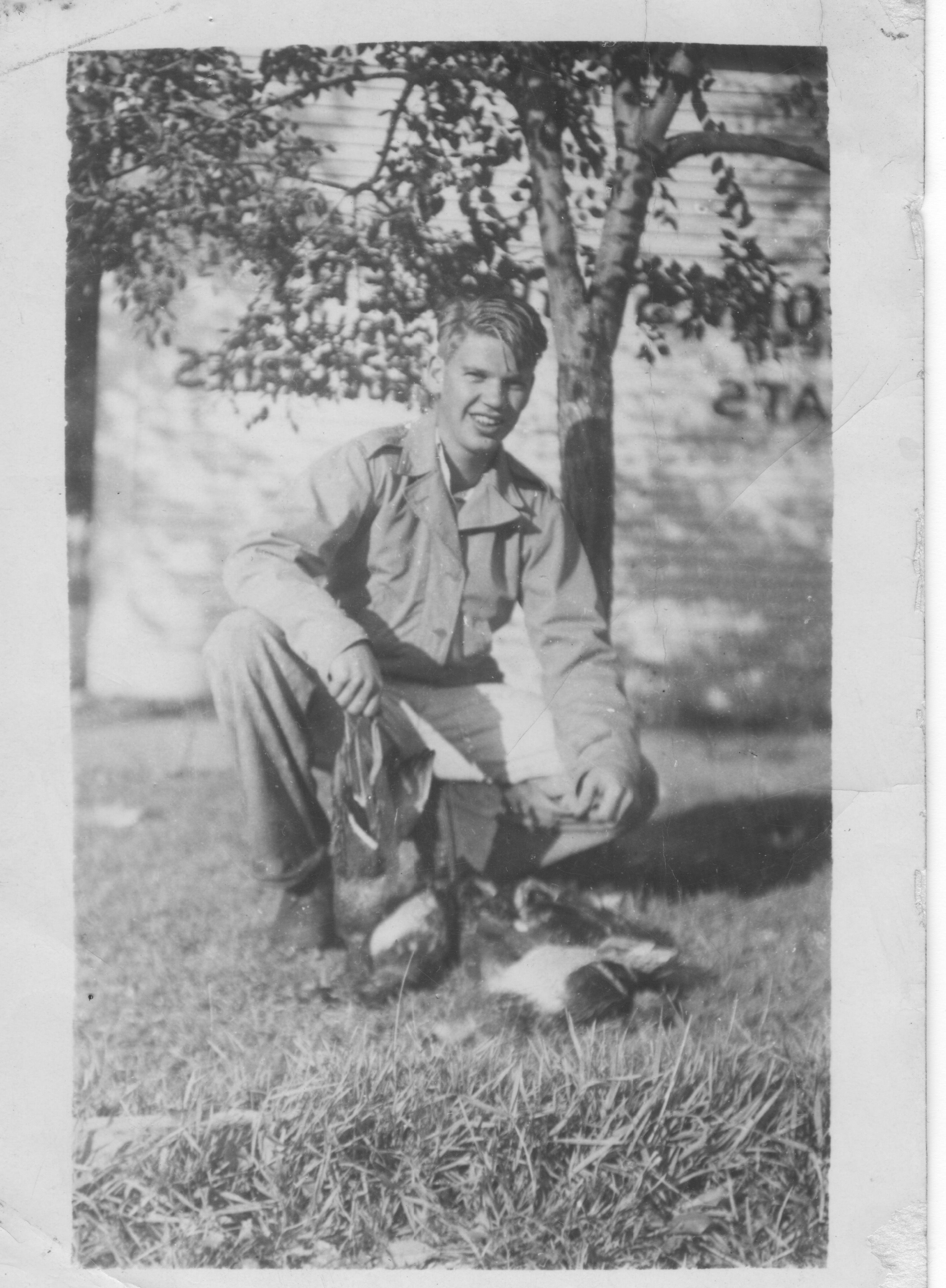
As a duty to my sister and cousins, I’m starting in sorting the 10 letters my late uncle Carl mailed home during WW II while in army training. My cousin Blaine and his wife found them a few months ago in a box in the attic of his garage. They believe Blaine’s mother Corinne kept the box throughout her 90 year life.
I am transcribing them as I found them, except I did correct several misspellings. You will note Bud mentions Mormons, Jews, and Negroes. The letters were probably sent in 1943.
Two other letters— from my grandfather and another from his sister— helps establish the order the letters were written. The letters from Carl Ralph Bonde, Jr., (Bud) are transcribed here:
1. [The first page(s) may be missing]
I guess I have received everything you have sent me, cigarettes, silver dollars, fountain pen, etc. (I can always use cigarettes hint-hint.
One of the cooks told me that the captain had said I was a good worker and that they had been receiving good reports from the school and company about me. Also the Sergeant of our barracks has made me a acting corporal, which doesn’t mean a damn thing, but it does keep me out of K.P. and other details.
I’ve never written about the fellow I run around with, his name is Pat DeSalvatore (his picture is in the book I sent to you) an Italian from Boston, Mass. He is also an acting corporal and was also picked for A.S.T.P. He spent a year at the Univ. of Mass. before being drafted. 18 men out of 270 in our company were picked for A.S.T.P. so you see how hard it is to get in.
(over) [The reverse is blank.]
2. [Complete on one page, this probably predates 1. above. In Pencil.]
Dear Mother and Dad:
I’ve good news. I was called before the A.S.T.P. Board (army specialized training program) for my interview. Today I got a note saying I had been accepted. As soon as I finish school here (which will be July 11th) I will go to a star unit where I will be given tests to find out where I start out From there I will be sent to a college for 72 weeks. 72 weeks is almost a year and a half.
Well I’ve finished my radio course at last duty I’m 3 weeks ahead of time, so I have to go out in the field every day send a nd receive messages, until I have completed my nine weeks.
Send my camera P.D.Q. I am going to Independence to Alfred this week end.
Love Bud
3. [Written in pencil on fronts of 2 pages with colorful logo United States Army Air Forces stationery.]
Dear Mother and Dad:
I haven’t had much time to write lately. I had K.P. yesterday and guard duty the day before. For K.P. they get you up at 2:30 in the morning and you get off work at 8:00 at night, by that time you’re dead tired. Guard duty isn’t as bad, you’re on two hours and off four hours for twenty four hours.
I got a letter from Johnny Hoyt yesterday, he’s in Cedar City, Utah. He says it’s a town of about 6000 and all Mormons. He says there isn’t a drop of liquor in the whole place. He is also living in a resort Hotel. I suppose Bruest in on his way to Fort Douglas by now. Wouldn’t it be funny if he was sent out here?
I am now on my 15th day drill, we should according to schedule, go out to the rifle range tomorrow. I only have six more days of basic training, I should be through about the end of next week, or the first part of the week after next. I will then be ready for shipment to school. I hope I am shipped back west again, I don’t care much for the east,. I miss the mountains. Atlantic city is a Jew city practically every merchant here is a Jew, there are also a lot of negroes.
Did you get my book of the month yet? Did you send me the rest of my pictures yet, please do. Did you get the honey bees yet, and how’s Prince getting along. What kind of baby chicks did you get? I suppose it’s spring weather in Kalispell, it’s colder than hell here.
Love, Bud

July 8, 2025
Near my chair, a list on a slip of paper: It said:
fix spice shelf
Replace Fan switch in Bathroom
Patch Cement
Fix chip on W/shield
Call Ilse
Call for firewood
unclog shower drain
Fix bug wall Top
fix fridge board
Take Van in for maint.
oil change in Van
alignment check
write my book
Print a poem
Replace knee
Decorate graves
Make paper
Fix house foundation
Paint touch up on garage
Mail 2 books
I like lists.
Please excuse this hiatus posting on my famous blog, “In Search of Bud,” with its 20, or so, readers.
I’ve been in a bind because after I had my knee surgery, the cut area has been hot and swollen. Completely normal, said Samantha, the able nurse who looked at it. You see, P. got worried because I often felt sickly, slept about 20 hours/day. Had no appetite. Pain was not an issue. Low blood pressure was an issue.
Summary: I’ve been asleep so I haven’t been writing. I have a better intent.
I feel better today, so I shuffle through the papers on table by my chair. And offer a word to you.

Many readers will recognize this image of a street corner in Dillon, Montana. Skeets Cafe has been widely known for serving excellent strawberry pie. Imagine a fancy pie. Now make it three times higher, fill the pie pan with strawberry filling, then huge sliced strawberries, and last a mountain of whipped cream. I’ll admit I thought the pie was a bit too much when I was 17 years old. My mother and grandmother and I had the pie in the dining room to the right of the street corner.
The architectural feature that looks like a tower with a fence around the top was attractive to my friend Tad Henningsen and me. We had to climb it. That’s what we did, then. I imagine high school kids are still climbing such things. We picked a route up the back of the building from the alley, then jumped roof to roof to the tower and the fence. It proved easy to step over the fence and crouch inside. It was night, and I doubt if anyone noticed we were up there. The problem was the transition from one building to the next because someone strung barb wire to discourage our adventure. I caught my left forefinger on a barb, ripping a 1-inch tear. Tad and I sought medical care.
In 1967 Barrett’s Hospital may have had an emergency department, but I was dating the daughter of a doctor whose office was a couple blocks away, near the post office. I knew I needed stitches, so I knocked on the doctor’s office door. The doctor cleaned my wound, sewed it shut, and told Tad and me a few jokes: “Why are turds tapered at both ends?” Answer: “to keep your asshole from slamming shut.” The doctor knew how to entertain a pair of doofuses. I don’t think my mother got a bill for his services. As I remember, I think we were honest about telling him how I got my injury.
Later that same year I got arrested for indecent exposure outside Skeet’s Cafe. That will probably worth a blog post. Or not, depending upon if you want to hear the story.
About a month ago I lost access to this blog and I have been unable to add any posts. Thanks to my editor, Ilse Tyler, I regained my password and editing privileges for insearchofbud.com . I look forward to adding good, solid stuff. Or perhaps simply, stuff.

This is a story of a Montana boy who went from Missoula to fight the German Nazis in WWII. He was never seen again. We lost our only maternal uncle. No fishing, no hunting, no stories, no avuncular advice.
He was Carl Ralph Bonde, Jr. After finishing his Spring quarter of his sophomore year at the Montana State University in Missoula, he volunteered to fight and was drafted March 4, 1942, when he was 18.
“Everybody went,” said his army buddy, Wally Merza, in Sarasota, Florida, in 2006 at a reunion, part of the 262nd Infantry Regiment of the 66th Panther Army Division.
Carl and his peers got more than two years of training and physical conditioning in North Dakota and the Deep South of the United States. He trained for the air corps, he trained to be an officer. The war with Germany and with Japan dragged on. And on. Trainings were cancelled. The smart kids were assigned to the infantry. To Alabama and Arkansas. To the 66th Army Division for shipment to France.
Private First Class Carl Bonde ended up as a really intelligent ammo bearer for the M1919 machine gun section, Weapons Platoon. According to Wikipedia, each member of an army machine gun section usually carried somewhat more than 30 pounds of ammunition or weapon, in addition to his personal field equipment.
Then our grandparents got a telegram in March, 1945, saying her son was missing in action. Although they got another a month later reporting him killed in action, Grandma spent her remaining 22 years of life wondering what happened. And why. His mother endured her broken heart with courage and stoicism. A Norwegian. She found solace in crocheting. She watched Lawrence Welk. And Groucho.
None of us knew much. We had not met Carl. Our mothers told us that he was good and kind, gifted with unusually great intelligence and wit. He was the youngest, and they loved him. He was 17 when he started college in Missoula. My sister remembered playing with him when he returned to Montana on leave from training. “He was handsome in his uniform,” she said.
In 1998, I searched on line for information about Carl, whose nickname was Buddy. My two year project turned into a twenty year project. Stacks of writings gathered dust in the basement. I became more and more depressed. My writing coach told me to “get some fucking help.”
My depression transformed into a kind of abject misery. Some friends helped as I collected some of my writings and published a memoir. If you think you can make a coherent book by stitching stuff you’ve written, I’d recommend against it.
My memoir dropped into the silent void. One friend who tried to read it curled her lip and hasn’t spoken to me since. Several politely said they liked it okay. My son called it a “page turner.” You get the idea. My psychiatrist comforted me by reminding me that most people are not writers. He said I might learn from my mistakes. A friend gave me a hug. She writes romances and sells them.
A librarian in Billings observed that my book “meandered a bit,” then smiled and returned it to me. A poet friend called it peripatetic.
Most recently I nominated my book for an award, and I paid $150 for eight people to read it. I think my book, “How I Improved the United States Marine Corps,” has deep flaws. It has no purpose, no moral. It doesn’t grab you. It might be unreadable. Well, I certainly haven’t read it. I don’t plan to. I don’t have to.
Then, a surprise. Author, musician, and publisher Aaron Parrett wrote a kindly review for the “Montana Senior News” newsletter. Another old friend said it was good, and that made me feel better.
About then, a trove of new stuff about Uncle Carl R. Bonde, Jr. surfaced.
My cousin Blaine phoned me when he found a box of Uncle Carl’s old letters and a Purple Heart medal. He refused to mail it to me or even scan the letters. I tried to make him feel guilty, but that tactic never worked on him. So I invited a bunch of people to his house in Hillsboro, Oregon. I promised them fun. Eat, drink, talk, sing. We’ll look through the box. Visit the Oregon Zoo, play games. Fun. Blaine and his wife Fran are excellent hosts. We had an excellent time.
Well, Blaine and his parents used to host all of us when we were kids visiting him at their beach front house on Puget Sound, on Three Tree Point, near Burien, near Seattle. This was the late 1950s, early 60s. We visited in July when Uncle Norm bought us fire crackers. The older kids got their hands on M80s and cherry bombs. For some reason, we younger ones got only 1 and 1/2 inch-long fire crackers. None of us blew off any fingers.
Back to the present day. Our parents are dead. Three of us cousins, too. My sister is living in Nebraska. She was the oldest cousin, but often she got left out of the fun. You know, a girl. She’s 86 now.
So, six days ago we boys met at Blaine and Fran’s to examine the box of letters and stuff no one knew existed until Fran found it in their garage attic. We supposed Blaine’s mother kept the materials when she moved from Montana. Blaine put the box into my car. My camper van.
If you want to know what was in the box, read the next chapter.
April 19, 2025
Yesterday, Penny read about a protest today near our daughter’s house in Poway, California. We were house-child-sitting while their mom was away. The Elon Musk protest was 1.5 miles away, so we walked. Sunny, 70 degrees, we took water and wore floppy hats. Took exactly 34 minutes, 18 seconds. We gave ourselves an hour to get there, so we were early. Waited around with others who waved colorful signs and American flags. I didn’t see anyone representing trans people, like I did in Montana. Folks appeared to be older, with a few scattered young women with babies. One had a dog. A woman, I mean. Several looked angry, for some reason. Perhaps they were thinking about the protest.
I found on Facebook that a protest in Billings that would occur simultaneously. I like protests and marches where I see a crowd participating in good faith as citizens. What will we do about the fascist takeover? We will vote!
It is most important to unite with others. We have AOC, a woman with a future. Once when I was with the VoteVets outfit lobbying Congress I came that close to getting a selfie with her.
Back to Poway, California. Or more correctly, Rancho Bernardo.
I’d say we saw 500-1000 people along the busy city street, mostly holding signs and cheering at honking cars. Once in a while a car or motorcycle would rev its engine. I supposed they were not supportive of our views. Signs were similar to those seen at rallies in Billings: “Dump Chump; Deport Elon Musk; No Kings; Protect our Constitution.” Like that.
Several signs in a pile atop a metal fixture looked inviting, so I asked a nearby man if I could hold borrow one to hold up. He referred me to a woman with long gray hair who eyed me suspiciously. I asked to borrow a sign.
I said I thought some of her signs were too wordy to be easily read. She replied (haughtily), “Beggars can’t be choosers.” Yes they can, I thought. In the end, I chose to not hold up any of her signs. I didn’t feel the love I experienced in Billings, although I got into a conversation with a man who had worked at the Marine Corps Recruit Depot in the early 70s. Didn’t have that “community feeling” for me. But then, it wasn’t my residential community, either.

Gunther in rare form, rolling on the floor like nothing else.
April 13, 2025
What a relief! Yet, a bit of a letdown, too. We finished — by “we” I mean Penny and I — finished another week of facilitating Family Promise in Billings. Twenty volunteers did the hard work. Penny did a bit of it, weeks or months beforehand, signing up a myriad of hosts and cooks who would help keep four families going for seven days. A swell idea, I think. The four families get their physical selves cared for by our volunteers who fed them and housed them in church Sunday school rooms.
If you think this turns out funky and tricky, you’re right. But we get to know these families. Sometimes we encounter them again and again after they get back on their feet, renting or buying a home of their own. These living skills are taught with gusto by our Family Promise teachers. I’m thinking Michelle.
Do you remember being newly on your own as a young couple? What did you do? Did you get some sort of notebook to keep track of your income and expenses? Did you eat a meager meal of cheese and cauliflower? Did you hurry off to your second job, because one 8-hour job wouldn’t earn enough to keep you going?
I find it fun to hang out with these friends. I’ll probably see them around town.
I didn’t want to talk about Family Promise. Not at all. I wanted to tell about my next book, the one about Carl Ralph Bonde, Jr., the fellow who joined the army to defeat the Nazis and Japanese. (You know, I spent a year in Japan. They were tamer than kittens.) Just observing. Please don’t read anything into this text. I’m trying to accurately tell you what I experienced. No motive, other than to inform you.
The reason I’m writing now, is that we’re about to drive our van south to San Diego, California, home of two grandchildren and our daughter and her two dogs and her ex-husband. And his family. And lots of good Southern California stuff, like beaches and sharks. Even rattlesnakes! But certainly cactus. Or cacti.
My book editor, Ilsa Tyler, lives a few blocks from our daughter. I want to tell her that musician and printer, Aaron Parrett, read my book, titled “How I Improved the United States Marine Corps.” Please allow me to tell you how this phone conversation went:
Aaron: Did you write a book?
Me: Yes, but it’s practically unreadable. I can’t read it. It’s been a year now, and the book is so bad that I haven’t been able to bring myself to read it. Nobody reads it. I give them a copy, they grumble, then—nothing.
Aaron: That’s funny.
Me: It has flaws. Deep flaws. The beginning is slow and doesn’t grab anyone. Then it hops all around. You know what I did? I nominated it for a High Plains Book Award in two categories. That way, for only $150, I will get four people to actually read my book. Seems like a bargain to me.
Aaron: Will you send me one?
Me: I’d love to. Text me your address.
I got fallout. I thought I was being humorous when I told Clara about my conversation with Mr. Parrett. Clara reacted as though hurt. She said she was proud of the book she facilitated by having me meet up with the editor. She said she was hurt that I said what I did about our project when I spoke to Aaron Parrett.
So I quickly sent Aaron a message by email. I said: Aaron, I misspoke. What I MEANT was I loved my book.
For about a year and maybe a few months more, I got into this funk. I said to myself: My book is shit. Then, I’m shit. I told my psychiatrist. He said he thought I should try to write a better book. (Better than the piece of shit I just produced, he implied.) That did it. Did I mention that a LIBRARIAN told me my book was unworthy to shelf because it “meandered.” Of course I dropped to the floor on my face. “Yes,” I sobbed, “guilty of meandering as charged by one who knows what’s what in literature.”
One of my nephews observed that most people aren’t any good at writing books. He said I shouldn’t worry too much. (How this twisted a knife in my heart. How could he say this? My favorite nephew!
My point is, I’m going to try to take notes when my cousins and I inspect some relics of Carl R Bonde’s that a cousin discovered in a box in the attic of his garage. We’re going to meet for three days the end of this month in Hillsboro, Oregon. I hope we also play games and possibly hike or at least groove. I think I could take some of the relics I’ve collected that can connect us to our uncle who died aboard the SS Leopoldville Christmas Eve, 1944 in the English Channel, just five kilometers from Cherbourg, France.


 insearchofbud