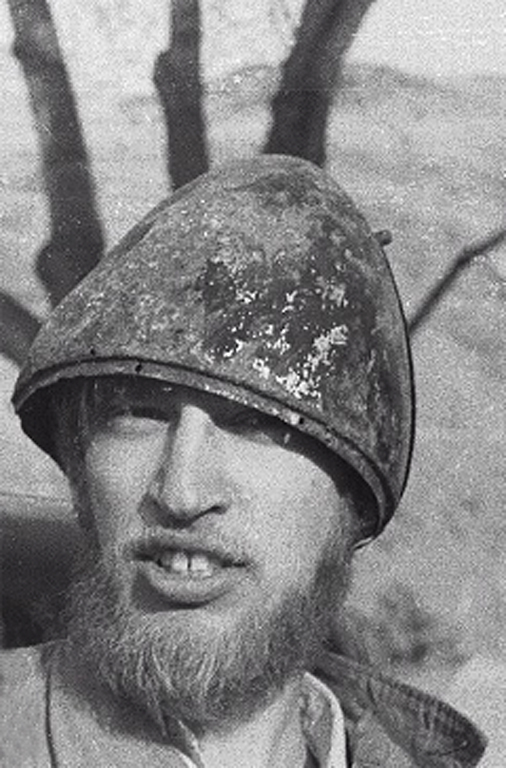
The French Taunter defies the military industrial complex.
“My old flame / I can’t even think of her name. / But every now and then / my thoughts go racing back again / to my old flame.” —Spike Jones and the City Slickers.
“What was her name? Manny? Moe? Jack?” — Spike Jones [with reference to the Pep Boys, tire sellers of Southern California. In fact, when Penny and I were looking to establish our first line of credit in Santa Ana, California, in 1972, I bought four VW tires from a Pep Boys outlet. From Manny. Or Moe or Jack. I simply asked the man who owned the business.]
Opus cited.
I used to use “opus cited” in the papers I wrote in high school in Dillon, Montana. I wasn’t sure what it meant, but I hoped that my high school teachers, many of whom had a bachelors degree, or sometimes even a masters’ degree, would be impressed. Truth: I still don’t know what it means. I’ve got an associate degree, two bachelors degrees and one master’s level “doctor of pharmacy” degree. None of these help me with “opus cited.”
I love education, even appreciating its limitations. I enjoyed every semester. Before that they were quarters. Every course I took. They are all precious to me now. I haven’t looked at my transcript in many years although I had to submit a transcript when I applied for a commission in the Public Health Service. Almost like a military branch, but not quite. It was a uniformed branch. I’m proud to say it, because it has much in common with the US Marine Corps, a branch I belonged to for seven years. I loved working for “Uncle” Sam. I’d do it again, but I’m too old now.
Today I learned something from a young woman I work with at a pharmacy. She said she was perplexed by a Facebook friend of hers. For those of you out of the know, Facebook is a “social network” service.
She said her friend was exasperating to her because she is “so liberal!” She said her friend “despises military people!”
I was tempted to tell her that I consider myself liberal and, as a retired military person, I don’t despise military people at all! In fact, I am one!” I did not go there though because I didn’t want to defend her friend who, for all I know, really does despise military people. However, I doubt that such despising is typical of, or a prerequisite for, being a “liberal.”
The point is, tomorrow Penny and I are going to get up at 5 a.m., drive to Red Lodge, Montana, and gather with a group from the Montana Wilderness Association to hike 5 miles up and down mountain trails, gaining and losing, 1,700 feet. We’ll be sweating and drinking water before and after eating lunch. Many of the wilderness advocates will chatter and natter about the various threats to the wilderness. I think those threats are chiefly variants of drilling for natural gas or of other petroleum products. I will listen with rapt attention because I really like the company of wilderness advocates. Many of them are older than I, very cool people, and in much better physical condition. Certainly more informed than I am. Especially about matters that have to do with wilderness preservation.
We went for 5 days into the Bob Marshall Wilderness with our grandson Josiah a few years ago. The outfitter with the wonderful mules and horses was certainly no “liberal” but his bread was buttered on the side of wilderness, so his patter was definitely pro-wilderness.
At camp I mentioned to him the author of a book, “Montana, High, Wide, and Handsome,” by Joseph Kinsey Howard. The little shit of an outfitter ridiculed Joe Howard because he is often known by his first, middle, and last name.
Last night Penny and I watched a PBS special about the Nazi’s Atlantic Wall, the series of fortifications from Northern Norway to Spain. This subject is integral to my exploration of the life of my uncle Carl Ralph Bonde, Jr., Private First Class, Company E, 262nd Regiment, 66th Panther Infantry Division, US Army. Our uncle died in Europe in WW II about 4 years before I was born, yet his life has been a guide for me. I learned from him how to face adversity, such as how to live through Vietnam when all the young men in our country were subject to being drafted into the armed forces. I came of age in 1967. I managed to avoid Vietnam by joining the military and sort of navigating past it.
I had always wondered exactly what happened to my maternal uncle. Bit by bit his life has unfolded for me and I have felt like I have traveled through time. I’ve traveled back before my own birth when my grandparents were old, back to their youth, then ahead when grandma gave birth to Carl at home in Kalispell in 1923. Grandma always mistrusted doctors. She thought they didn’t know anything, and perhaps she was right about some doctors, the ones she encountered at the start of her 80-year life. I don’t know if grandma had a midwife. History travels in circles. Here’s an example:
As a child my parents were members the university faculty at the University of Montana (although it was MSU back then). My father had been hired to teach journalism to the GIs back from World War II in 1946.
My parents had close friends from the university: the Browders, the Dugans, the Fiedlers. One of the Browder kids who was maybe 4 years older than I, Tommy, changed his name to Sebastian in the 1960s. His wife Dolly was the midwife who delivered my grandson Roland in Missoula just 7 years ago. Not quite 7, but almost. Penny and Clara were there from Billings. Not only was Mount Sentinel on fire but at the moment Roland was born a pink rabbit peddled by Todd and Susanna’s house on a bicycle. I don’t know how the rabbit figured in, but history spiraled around from my childhood friends to Roland’s birth.
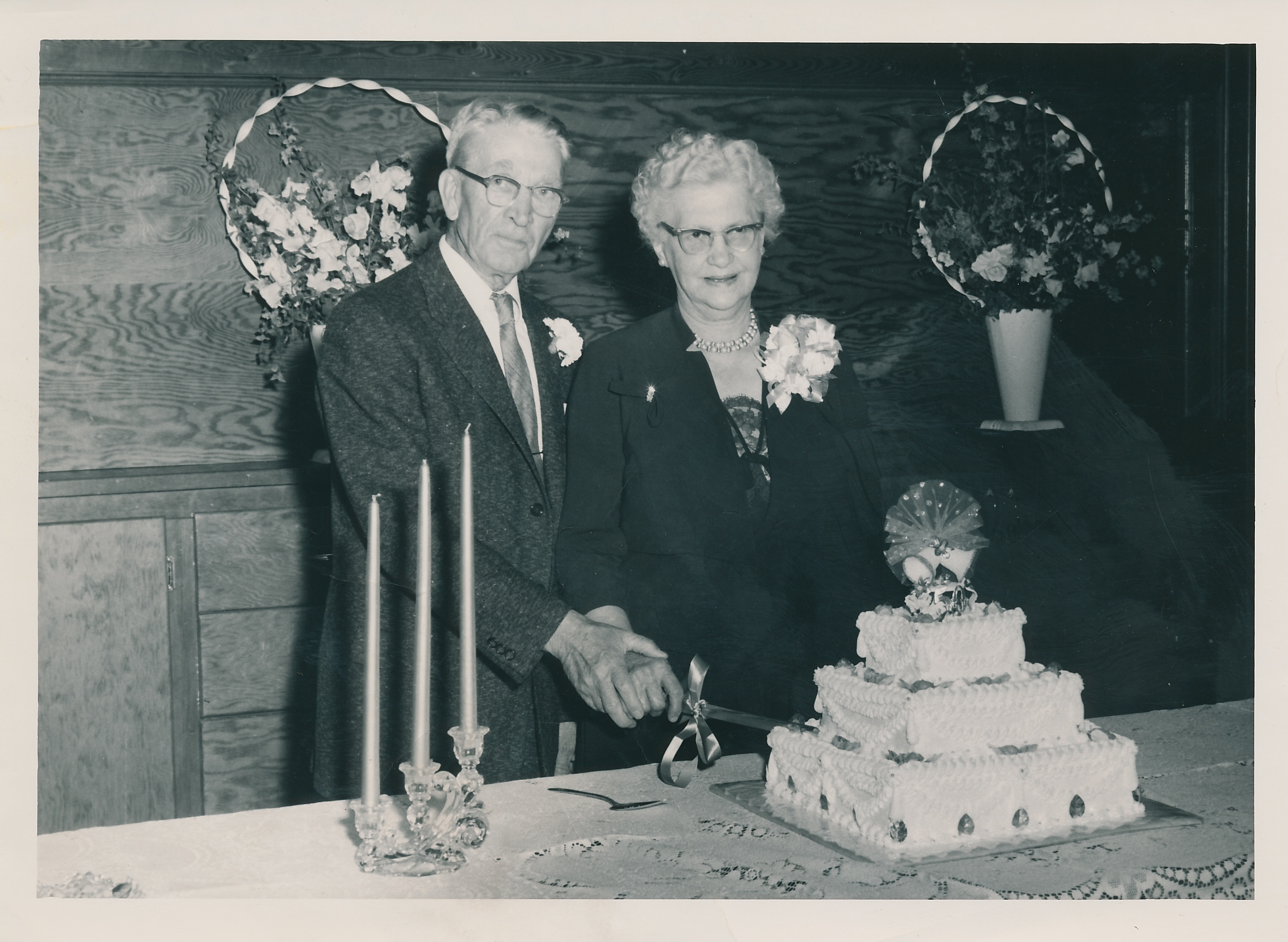
Golden wedding anniversary in 1957 of Carl T. and Ellen Bonde in Kalispell
My grandparents, Carl and Ellen Bonde, were old and silver-haired when I first met them as a child. I didn’t even know about their dead son Carl Jr. for a long time. They lived in an ornate old house on the edge of Kalispell and they were friends with some old Norwegians, several whom lived across 5th Avenue when it was a dirt road. The old Norwegians lived across the road from their property. A hayfield was between my grandparents and across the road from the Norwegians. A row of houses are there now, in place of the hayfield. Including my grandparents’ that had been moved somehow, down from the hill, right onto 5th where their mailbox used to be.

My grandparents lived atop a hill on the outskirts of Kalispell. They had the longest, skinniest garage I have ever seen.

Carl Bonde’s army friends who survived the sinking of the troopship SS Leopoldville, and their spouses. I am the youngster.
Anyway, as a child, there was no television, just radios for entertainment. AM radio had National Broadcasting Company news and dramatic stories. Stories that my grandparent’s cat and I used to listen to.
On the edge of town with my grandparents I had no playmates. Just the cat, whenever I could get her to sit still and listen.
The Norwegian friends got their water from water wells. I just exaggerated. Nils got his from a well that he could pump right in his kitchen using a hand pump. I don’t know how the other old timers got their water. Compared to 2015, things looked pretty primitive in 1954, and my uncle Carl had been dead 10 years then. My grandparents eventually got old and died. My mother died from cancer at 64 years old in 1976. The stuff from there is gone, mostly. Probably in antique stores now.
Then about 15 years ago I discovered what had happened to uncle Carl. You see, up to then, nobody in our family knew very much. Just some vague information that he had been declared missing in action, then killed in action in the English Channel near the coast of France.
Here’s what I learned.
The famous D-Day invasion happened June 6, 1944, when the Allies stormed the beaches of Normandy. My uncle’s army outfit was stateside then, in Alabama, finishing a year of infantry training. By that November, the 66th Army Division was shipped to Dorchester, England, where they were stationed for further training.
The allies had apparently defeated the Nazis. Well, almost. Except Hitler would not give up. Even though some of his minions tried to assassinate him, Hitler ordered a counter-attack in Belgium in the Ardennes Forest on December 16. This was the “Battle of the Bulge.” A week later Carl and the rest of the 66th Division were ordered on December 23 to drop everything. They did. On the barracks floors. Including turkeys and holiday preparations and other food. These were simply abandoned and the troops marched into the night. Well, to a train station some miles away from Camp Piddlehinton, where they had been billeted.
Christmas Eve morning, before dawn, the American troops arrived at the docks of Southampton where they were marched aboard a ship. Actually, there was confusion. Different troops, paratroopers, had been marched aboard ahead of the 66th, and they had to disembark before Carl and his fellow GIs could get aboard. Everyone had been awake, marching and struggling, all night and most felt exhausted.
I know all of this because several books have been written about the SS Leopoldville, the troopship that Carl and his buddies ended up on. I spoke to the author of one of them on the telephone. That was Allan Andrade.
I have also personally visited with several of those men who went aboard the Leopoldville In 2006, at a Company E reunion at Sarasota, Florida, and at Carl’s section leader’s home in Kearney, Nebraska. His name was Bill Moomey.

Doris and Bill Moomey, of Kearney, Nebraska.
This was a tremendous time-loop for me, spending days on end with people who figured into my life long before I was born.
About three years ago I told my journalism professor, Nathaniel Blumberg, about my quest to learn about my uncle Carl. When I mentioned the S.S. Leopoldville Nathaniel said he remembered when it was torpedoed by a German U-Boat, just 5 miles from the French port of Cherbourg.
Nathaniel said he was on the Channel himself, on an LST with his howitzer battery, Charley of 666.
Six years ago P. and our grandson Josiah went to Paris, France, where we took a train to St. Nazaire, a port city where the Nazis had an immense bunker that we explored.
We were lucky to have Josiah because I misread the information at the Gare d’Nord in Paris, where we were supposed to catch the train. I wondered why we seemed to have the train all to ourselves when we had assigned seats. Then the time for departure came and went, so we found the ticket office with an English speaker and were able to obtain a partial refund and new tickets. She told us we could do that just once. Josiah further helped us change trains for St. Nazaire at another city. He did his best with French and he wasn’t yet in high school. He was also diplomatic. “Grandpa, I think we’d better go over here,” he said.
We had hotel reservations at St. Nazaire, and I came up with the best plan on the Saturday when we seemed to be the only ones out and about. Lost.
Because the city had been bombed nearly flat in 1944 by the Allies, who had been unable to damage the submarine bunker (with its concrete roof that was nearly 30 feet thick) the streets and sidewalks were wide for a French town. Also, the buildings were new. As was the beauty parlor where I barged in to speak with a line of women, all of them except one, sitting under hairdryers. I asked, “Ou est L’otel Aquino? We want to go there,” I added in English.
The beautician asked “a pied?” I stared. She made a walking motion with her fingers. “Oui,” I said.
One of the patrons then told me in English to walk back to the train station and get a cab because the hotel was too far away for walking.
What I didn’t know was that St. Nazaire is near a famous beach, where Monsieur Hulot’s Holiday was filmed. A beach called La Baule. We saw several people on horseback galloping along the beach when a taxi driver with a GPS took us to the “Grand Blockhaus.” One of the American GIs who served with my uncle Carl told me that he left his army uniform there.
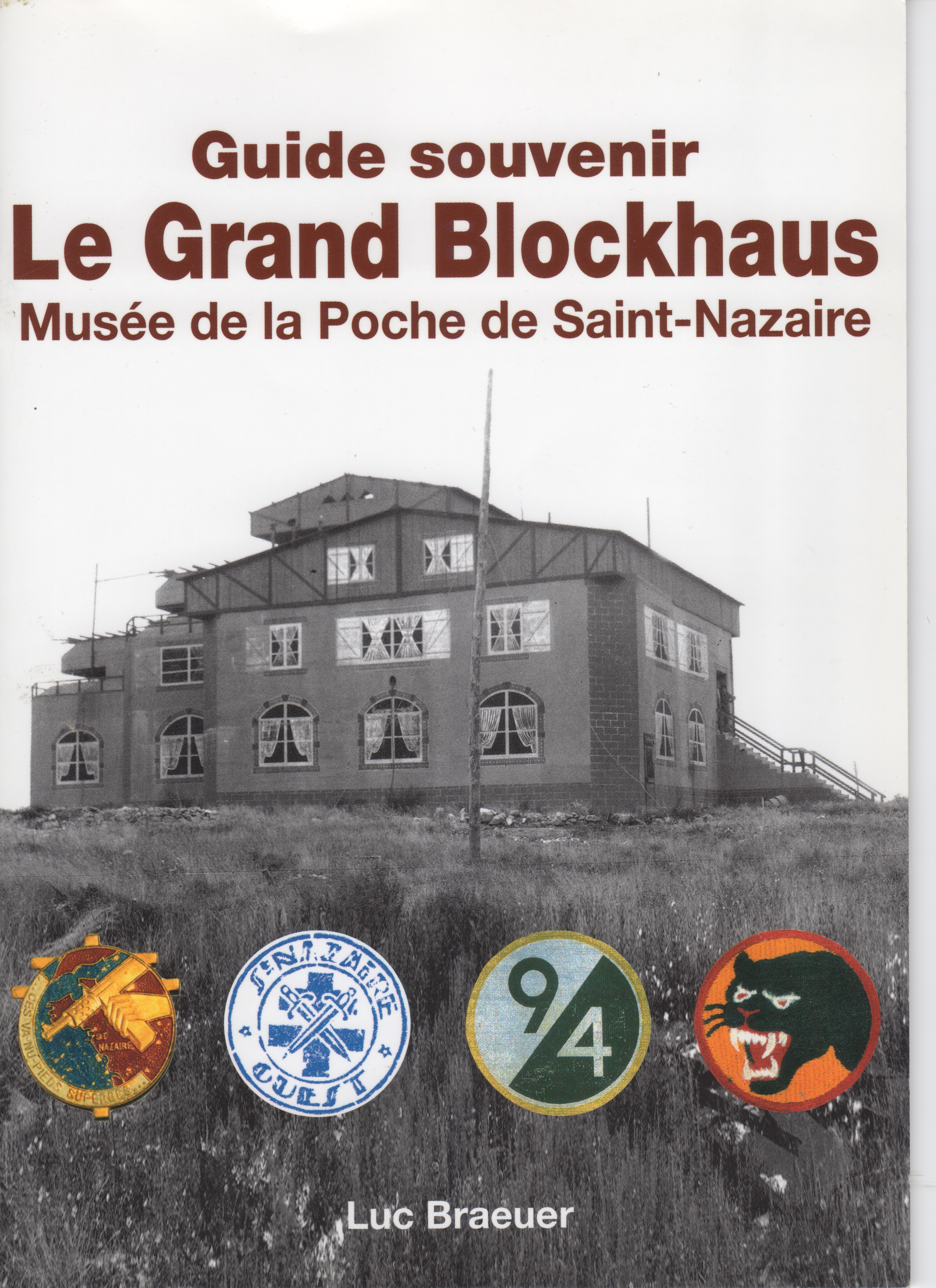
The “Blockhaus” was a German bunker of unusual size, or GBUS, if we were mimicking a scene in “The Princess Bride.”
Incidentally, the taxi driver took us by La Baule, sort of against our will, beautiful as it was. He spoke some English, but he did not understand me when I said that our generation “grew up in the shadow of WW II.” He grew up in the shadow too! He was also born in 1949.
From a distance the bunker was painted to look like a French villa. The reality was quite different. Although it was painted to scale, the entire concrete bunker had hundreds of thousands of cubic yards of concrete. Its 3-meter thick walls had chamfered corners to resist chipping by artillery fire. It had 5 levels, and was more than 100 feet high, perhaps 200 feet wide. Massive, the 21 people who lived and worked within slept below the ground level. Even if the bunker had sustained a direct hit from a huge gun its occupants would survive. The air was cleaned by what looked like a gigantic gas mask canister. The entrance, a massive steel door like one in a bank vault, was guarded by special windows that allowed the occupants to spray machine gun fire.
Best of all, we found Wally Merza’s army uniform on display. Another of Carl’s army buddies, Randy Bradham, was friends with the man who had developed the “Grand Blockhaus” into a museum, and was joyful that Penny, Josiah, and I were there.
Here’s the strange part. After we left the bunker-turned-museum, the three of us walked down to a sandy cove so that we could check out the crustaceans and salty water, rocks and barnacles. At the farthest point I decided I’d look back at a bather, a man who looked lobster-red. I ran the telescopic lens out to its farthest and snapped his picture. Then I enlarged the image another 20 or so times. He was taking a picture of me!
We were in trouble! Like I said in my last post, this was 1997, shortly after my brother Tom died on his kitchen floor. As we finished clearing out his house, we made a sort of ceremonial bonfire of wood scraps in the back yard to mark his death, but the law in Missoula forbids open fires. How would we know? I think it has something to do with air quality. Missoula has limited air quality because the city is in the bottom of a great system of valleys.
Anyway, the fire department and a police car showed up at Tom’s. We had a hose with water running, so we put out the fire, which was actually small. Big enough to make smoke, though. Tom’s daughter Hannah, had always been famous for her mouth and her attitude. She defied the fire department and the police to stop her. Of course, I’m back there, saying, “nooo, shhhhhh, don’t . . .Hannah!”
I finally got the ear of one of the officers. I explained how I’d asked the police for help with my brother and it was not forthcoming. Moreover, they said Tom was fine, but he wasn’t! In fact, he died soon after they checked on him.
Bottom line, we had to put out the fire, but we didn’t get a citation for the fire.
A note about Hannah who died last year in Hawaii. She got Bob beaten up at the Oxford Cafe in Missoula when Todd got married in 2000. Hannah got into some sort of verbal exchange with someone at the bar. Bob stuck up for her. Bob is very tall and very large and muscular. Bob went to the bathroom and got jumped by the offended guy. Bob picked up the guy who punched him in the head and put him head down into a urinal. Then they got the hell out of there as fast as they could. Another time Hannah’s husband, Jason, showed up at our house in Billings with a black eye. Same scenario. Hannah offended someone in a bar, Jason defended her, Jason got punched. He did not seem too happy about that.
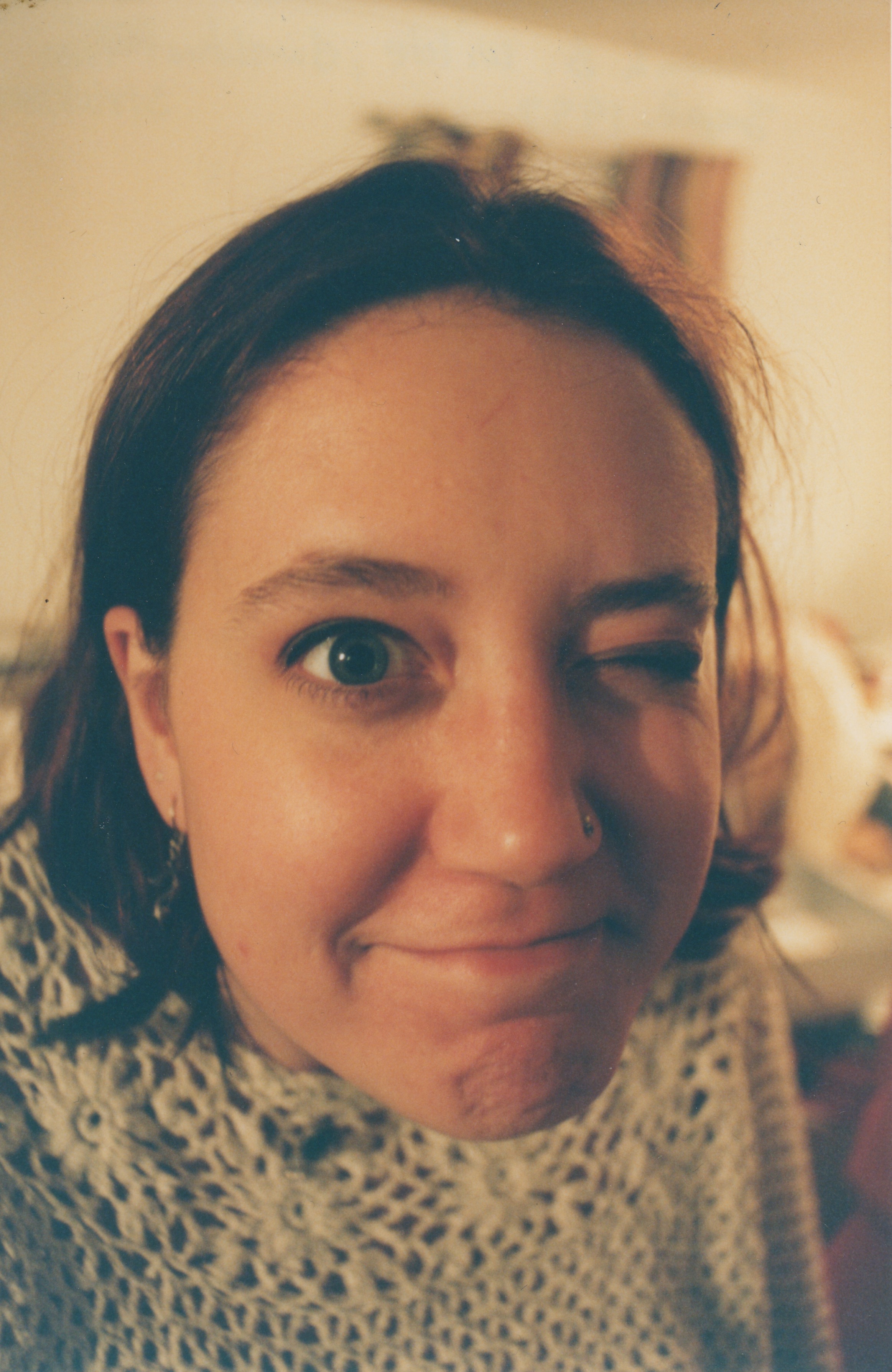
Tom has been a mysterious person, even to me, even though I grew up with him. One of my earliest memories was that he had a blue batman suit and headgear with erect ears. This was homemade, high quality. Mysterious.
Because he was born in 1944, he had enough years with our father, who died in ’53, to experience a father’s parenting. The two made Cub Scout projects together, but that came to an abrupt end, and partly finished projects laid around the house. A scrapbook, a telegraph set, a game of ring-toss. I figured that Tom felt betrayed and abandoned by our daddy when he died.
For an unknown reason Tom was disappointed in our mother, who loved Tom despite his obvious and vocal dislike of her. I always knew she loved me and I have memories of her gaining my trust through kindnesses and surprises. I know she loved Tom because she told him and because she always responded to his pleas for money—and they were many because he seldom had a job. He didn’t want to work for anyone, just himself. He wasn’t lazy. In his words, he had monumental pride.
I know that Tom respected and loved me, although he ridiculed me as a child. I think it impressed him when I joined the Marines, even though he knew I was afraid, that I detested the thought of being any kind of soldier and that I had a life of fun and pleasure to live in Missoula without joining; I could have gone back to college or just skipped the country. It’s just that I was afraid of Vietnam, but not of college or of leaving and I needed to face my dark fears.
Tom was impressed that I hit my commanding officer while I was in the Marines. He told me that it was the best thing I’d done in my life. When I went to basic training in San Diego, he joined a Zen Buddhist group in San Francisco and trained in a monastery near there.
Back to 1997. The same day that the fire department and police descended on us in Tom’s backyard, the mortuary sent Tom’s cremated remains (with the loathsome name, “cremains”) by delivery van to his address at the corner of Dickens and DeFoe in Missoula. Of course we inspected the box with great interest.
It was a cube-shaped cardboard box, weighing perhaps 10-15 lbs, perhaps 10 inches on an edge. Inside, a plastic bag with what looked like a silver-dollar size metal tag, with a hole so that a tie could fasten the bag shut held what looked like gray dirt with bits of bone.
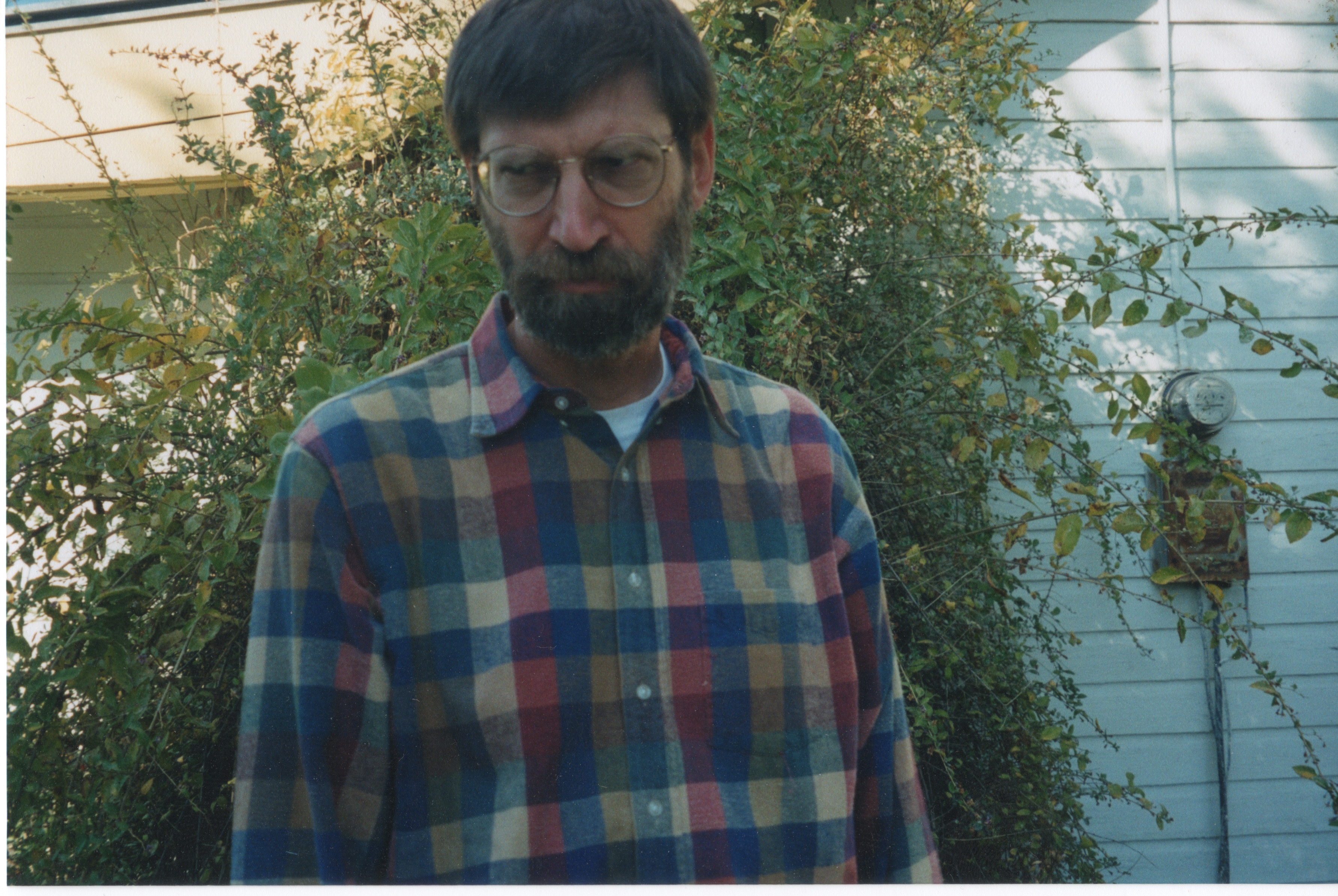
Dan Struckman, September, 197.
I found out recently from a mortician in Billings that she burns the bodies in the cremation furnace for like—8 hours—at high temperature, then lets them cool. She rakes the ashes and bones into a sort of large metal blender that reduces all the identifiable bones to small chips. Any metal, such as artificial hips, knees, screws and pins are removed and put aside. She showed me her metal box that evidently held hot metallic items like that. I saw discolored artificial joints, strips of metal and lots of screws.
We divided Tom’s ashes. Hannah got half and our son Bob got half. I forget what Hannah did with hers, but Bob took his ashes back to Berkeley. He said he eventually visited the Zen monastery near San Francisco where Tom had trained, back in 1969. Bob said the people in charge didn’t allow him to place Tom’s ashes there, but he dumped them near some shrubs anyway when he thought they weren’t looking.

June 16, 2015
Tom died in late August or early September, 1997. Nobody knew when he died because his body laid on his kitchen floor for weeks, probably, before Mark Fryberger found it. Our son Todd told me on the phone that the body was unrecognizable, so it shouldn’t be kept for his daughter Hannah to see. That’s when I asked him if it were possible that it wasn’t Tom’s — and Todd said “no.”
Following Tom’s death events are hard to sort. The smell at Tom’s was cloying and overpowering. On the way back to Billings the next week the smell of death stayed with a photo album in the back of our car. At Tom’s we embraced the odor, cooking potatoes and roasting a turkey in Tom’s oven, feeding everyone. Not quite everyone. Some people didn’t want to go to the house. I remember Mike Fiedler dropped a piece of food on the floor where Tom died but quickly picked it up and put it back on his plate. I have a photograph of Mike standing at the stove right then. We put a couple of small rugs on the floor to cover the imprint of Tom’s body. I also took a picture of a part of the linoleum on Tom’s floor in his kitchen where he had glued the linoleum back in a mosaic pattern. You judge if it looks lovely. It impressed me.
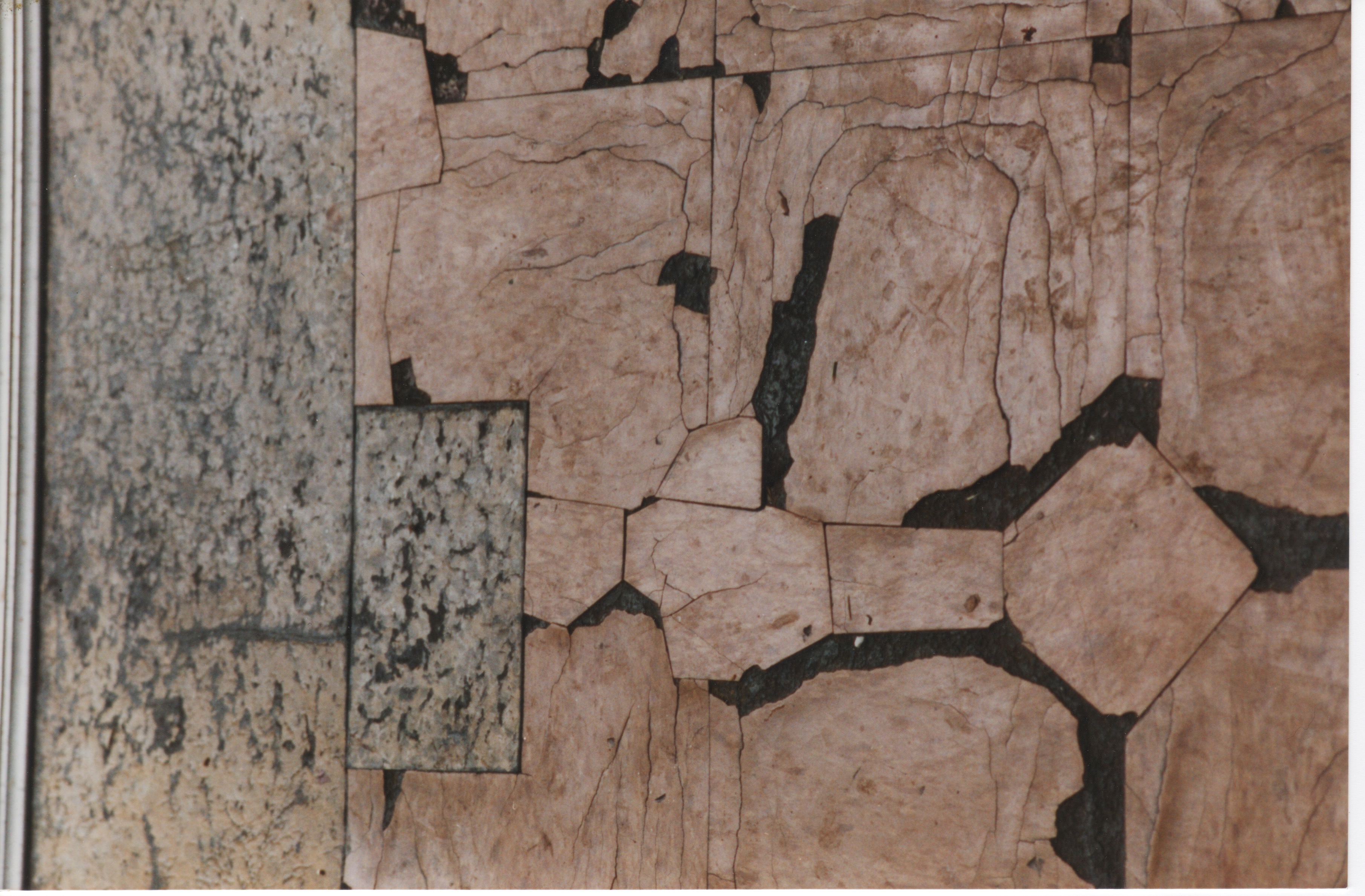
Voluntary simplicity in living. Tom was a practicing Zen Buddhist. He self-treated his schizophrenia with daily meditation. And nicotine. Smoked for years, chewed a mixture of Skoal and Copenhagen. Was proud he quit smoking. Had used some of the pages of his grandfather Emil’s 1910 Encyclopedia Britannica for tobacco paper.
After we got most of Tom’s possessions from the house I found a rolled up plan for the clavichord—a blueprint—on his water heater in a small cabinet in his bathroom. His bathtub, incidentally, still had water. I believe Tom saved his gray water for his garden and other purposes. He washed his clothes in his bathtub, simply agitating the clothes with laundry soap, then rinsing, then wringing, then hanging on the line. I recall that he and Dana washed clothes that way back in the early ‘70s. I assume Tom sat on the edge of the tub when he did his laundry. Tom always kept a saucepan near the tub for rinsing his hair.

We put Tom’s possessions into the rented truck for Hannah and Jason, hooked up the old volkswagen bug behind to be towed. A pile of boards had accumulated near the back door, so we hauled them over by the garden and set them on fire with gas from Tom’s mower. Hannah had originally planned to burn Tom’s wooden bed, but I talked her out of it. (I had been impressed by the craftsmanship and gave it to Fiedler, who said he would treasure it.)
When I heard a distant siren I wondered at the grief we felt. It sounded mournful. But the sound got closer and a fire truck pulled up. Also, the police. None of us there lived in Missoula, so we didn’t know why. Not at first.
Looking through old photographs that I catalogued by date, I found 31 color photos from early September, 1997. My brother Tom Struckman died then, 53 years old.
A couple of weeks before that, our nephew Geoff Angel had telephoned me from Missoula to tell me Tom had severe chest pain. He knew because Tom had asked Geoff to help him return a copy of Adam Smith’s book,”An Inquiry into the Nature and Causes of the Wealth of Nations (1776), usually abbreviated as The Wealth of Nations.” Tom had practically no money, but was interested in it as a social phenomenon.
[Wikipedia said Smith’s book “is considered his magnum opus and the first modern work of economics. Smith is cited as the “father of modern economics” and is still among the most influential thinkers in the field of economics today.”]
Anyway, Tom had gotten the book from a Missoula bookstore, but was disappointed that it was an abridged edition, so he was returning it. Geoff also helped Tom get a wool blanket for his bed to use as a mattress. His wooden bed had sublime, but simple, craftsmanship. It also had a plywood deck for sleeping.
I have to mention that Tom and I had not spoken for perhaps 10 years. He got fed up with me: “Fuck you,” he said. Our family left his house right then and although I tried to reestablish our friendship, it never took. I sent Tom a message on a scrap of paper: just a scrawl. He gave the scrawl back to me later without comment. We were still not friends. Another time I knocked on his back door. I opened the door and called his name. He screamed back, “what the hell do you want?” I asked him if he wanted me to leave him alone. He screamed back, “yes!”
Like I said, Geoff called me from Missoula because Tom had complained of the chest pain that had lasted many days. He told me that Tom had taken so many over-the-counter pain remedies that his ears rang. Tom had no telephone, so I phoned the Missoula police to ask them to check on Tom. I got no report back, so I phoned the police again the next day. Someone there said that Tom had told the police officer he was just fine, so the officer left.
I asked Geoff to tell Tom that a doctor at the emergency department could treat him with a drug. Later, Geoff told me that Tom said, “There’s a drug? Let’s go!” Soon he had been admitted for a heart attack that had destroyed about a third of his heart. The people in the ER told him that he had been misinformed about the drug. It was far too late, they said. No use giving him any hope, I thought. Anyway, I had been thinking morphine—palliation, not a clot-buster.
Geoff visited Tom the next day after he had been admitted to the hospital. Geoff said that Tom was tuned into the pathophysiology of a myocardial infarct, but also philosophical, wondering about losing a third of his heart, the center of his emotions. Tom had mentioned hearing the sound of his own heart on a doppler when he was undergoing tests.
My nephew Jon Angel spoke to Tom in the hospital by phone and he said he seemed reasonably chipper. I also telephoned Tom as soon as I heard about Jon’s success, and I heard his voice answer hello. “Hello!” I said, “Tom it’s me! It’s Dan! How are you?” I heard a clunk, then a dial tone. Hurt my feelings, sank my hopes.
That evening Jon told me the next day he was going to Missoula with his 1-year-old son, Bradley, and he insisted I go along. “Well, he hung up on me,” I protested. But I went.
We got to Tom’s house on Missoula’s north side the following afternoon. I knew Tom used smokeless tobacco so I bought a generous supply as a gift. Jon just barged in through the back door, and I followed. I sat across the room from Tom who sat on his bed and to my surprise he didn’t object. Turns out Tom had dropped the phone and didn’t know that it was me. We talked. We reminisced about our days working for the Northern Pacific railroad. Tom didn’t want the chewing tobacco. “Causes heart attacks,” he said. He showed me his two medications: lisinopril and nitroglycerin tablets. Tom said he wouldn’t take the nitro because he wouldn’t need it. Tom said he tried to dig in his garden but he felt so short of breath and weak he had to stop.
I promised Tom we would come back when he felt stronger. I was amazed that he was alive after such a massive heart attack. We shook hands all around and Tom made a saluting gesture toward me as we departed. I told him I was glad to be his friend again.
We spent the night with my oldest son Todd who was staying by himself in Missoula because his fiancé was out of town. Jon and I slept in their bed and Bradley vomited on us in the night. The next day Bradley had such a foul-smelling diaper on the road back to Billings that I nearly vomited when we stopped near Big Timber. Nonetheless I was elated.
Mark Fryberger phoned me a couple weeks later: “Tom died,” he said simply.
Mark said he had an extra cat and wanted to check with Tom to see if he was still between cats. When Mark looked through the back door window he thought he saw a scarecrow on the kitchen floor, so he opened the backdoor. Then Mark called the police. I thanked Mark.
Our daughter Clara was home with me and we cried. Later that day Todd phoned me. He had helped put Tom’s body in a box. Tom’s body was decomposed, full of maggots, putrid smelling. Todd said he went to Tom’s and encountered a pair of guys from a mortuary who told him to go home and leave everything to them. Todd said he started to leave, then realized he didn’t have to do as they said. In the end Todd stayed at Tom’s until late, scrubbing the floor, then scrubbing the steps leading into the cellar. Tom’s body had lain on the trapdoor.
I started to ask Todd if the body belonged to someone else, but he quickly disavowed me of that. Much later, I asked Todd about his experience. He said he felt it was an intimate experience with Tom and a great honor and responsibility. Perhaps that is why Todd eventually studied medicine after completing his master’s in fine arts in poetry.
Todd asked us to come to Missoula because he didn’t want to spend a night home alone after cleaning up Tom’s house. We drove to Missoula that night. At Tom’s some scented candles were still burning throughout the house. It had the cloying putrid smell of death. A rubber glove lay on the ground near the gate to Tom’s backdoor. We snuffed the candles.
I walked over to Mike Fiedler’s house the next day to tell him the news. I made numerous phone calls.
We had phoned lots of family and friends to tell them about Tom. Tom’s daughter, Hannah, was angry with me for not telling her when Tom had the heart attack. Lots of family came to Missoula. My sister and her family from Nebraska. Hannah and her family from Yakima, Washington. People from Missoula. Our aunt Corinne from Kalispell. Todd’s siblings from Berkeley and Billings.
Most stayed with Geoff, except Hannah and her family stayed at a motel downtown. We ended up sending most of Tom’s stuff home with her and Jason in a rented truck. Other stuff got divided up among everyone else.
The 31 photographs show what Tom’s house looked like before we emptied it. Tom had been a recluse for nearly 20 years, living with schizophrenia, untreated. He was a voracious reader. He made cassette tapes for his nephews. He raised vegetables, he made things in his wood shop.
Todd said Tom’s desk light was on when he died. Looked like he had been applying for heat aid when he walked into his kitchen and collapsed on the floor. His body was spread eagle. We could see his imprint on the linoleum where Todd had scrubbed with an abrasive cleanser.

Tom’s image showed as a light-colored area on his floor.
Tom’s life was remarkable for a number of reasons. He lived humbly, yet had a monumental ego. He told me that he didn’t believe in God’s existence, but took responsibility himself. “Isn’t that noble?” he asked. He was well-educated, not quite achieving a master’s in English from Eugene at the University of Oregon. I think I’ll write more about Tom later. He was 5 years older than I, prone to pummeling me, but he inspired many. He lived with a certain elusive feeling. He read a book about swimming, then used it to learn to swim. He did the same with drawing, skating, riding a bike, juggling, building musical instruments, carving classical statues from soap, and playing classical guitar.

The next night we prepared a meal in Tom’s kitchen to remember him. From L: Mike Fiedler, Jason Wild, Hannah B. Wild, their son Jacob, Bob Struckman (with back to camera) and Penny.

Admired cumulus in June on the way to Lame Deer
Ducks—mallards, often—are like the pedestrians we saw in Istanbul. With a sort of arrogant carelessness, they (Turkish pedestrians) stepped right into the traffic and walked purposefully across the street without pausing, a sneer on the face, as if daring the buses, cars, trucks to hit them. The pedestrian was unscathed and we ordinary folk stayed back waiting for the light that didn’t seem to change. Well, ultimately it did, but it took a long time and most people simply ignored the light.
In the same manner, big ducks lead their ducklings across Lewis Avenue to a park while the cars waited for them. A block away, to my horror, the mangled remains of a duck stuck to the asphalt. I wondered: angry 75-year-old man in huge car? Querulous and daft 90-year-old woman in old car? Teenager in pickup in a hurry? Mean person? The duck was almost unrecognizable, but for the feathers, the arrogant sneer on its beak.
Once on my way into Billings from Lame Deer I thought I saw a kitten in the road in the midst of one of the lanes at the corner of Main and First Avenue North in Billings, right at the corner by the fairgrounds. The light was in my favor, but the kitten looked as if it were in walking mode, only with its head down on the street, front paws covering its eyes. Kind of like in an old animated cartoon. Poignant, I thought, passing over the innocent one. I was looking forward to being home, so promptly forgot about the kitten’s dilemma. The next day, in passing, I noticed the mangled remains of something nearby. Some fur, perhaps. A claw. Is there a moral to this story? No. I forbid it. My true stories have no morals. (That sounds wrong, doesn’t it?)
I enjoyed my daily commute to Lame Deer from Billings, exactly 106 miles, except when I drove on winter snow tires that were slightly greater in circumference. Then, 105, by my odometer. In June the hills of Eastern Montana had green velvet, the skies huge billowy cumulonimbus. One year in the 1990s I had camera with infrared film and a dark red filter, so I occasionally stopped. Perhaps I can go downstairs to my darkroom and dig out such a photograph. I made so many photographs that I thought were noteworthy that I got tired of making them. The best cameras are no better than my own eyes, I thought. The best admirer can be no better than a brain that sees it. I hate generalizations, but I broke my roll of film a week habit!
I have had a darkroom ever since Christmas in about 1959 when my late brother-in-law Chuck Angel gave me a developing outfit from his own childhood. Consisted of a printing box, three metal enameled trays, and a safelight with three colored covers: red, yellow, and green. Its bulb was a 15-watt incandescent Christmas tree bulb. My mother bought me a Kodak Tri-Chem Pack that I mixed into peanut butter jars, scratching into their lids,
“dev” “stop” “fix.” At some point I got the lids mixed up and ruined the chemicals. But not before I developed some amazing prints, using the old negatives my mother gave me, ones she saved from her brother Carl R. Bonde, Jr. He was killed in WWII and was the darling of her childhood home, being the only boy among three older sisters.
The point was, I don’t mind rabbits, I even like them, I even feel happy if they don’t hop away. Often they hop across the street and I fear they will be hit by a car because they cross fearlessly, like ducks, kittens, and Turkish pedestrians.

Daddy took this picture while someone turned the hose on and off.
I just can’t stand thinking about my unhappy childhood because it wasn’t really unhappy. As far back as I can remember the sun came up every morning and if school was going poorly I had plenty of other interests, the things I really did. Here in a sort of chronological sequence is the list.
Three years old: I got up early one summer morning when everyone else in the house was sleeping. Daddy had finished building a bunch of cabinets beneath some stairs next to a coat closet and everything was being painted with gray enamel. All by myself, while the early sun poured through the windows, I painted the walls gray with a brush that had been sitting in some turpentine, then I painted all the tools nearby. For some reason they didn’t like my work. But they didn’t like it just a little bit. They didn’t hate it.
In 1997 I gave the mitre box painted gray with the diluted paint to my late niece Hannah Banana Graham when my brother Tom died. During that era before 1953 I dug holes in the backyard, looked at the pictures in comic books, and broke the model airplanes my brother built. The most interesting stuff around the house was off limits. Therefore, I had to ignore the limits and break things when nobody was looking. I developed a sly, secretive, dishonest nature that has served me throughout my life.
Four years old: I learned to hold a teaspoon, thanks to my neighborhood babysitter [Susie Bickel Cole]. I also spent most of that year in Kalispell because daddy was dying of cancer and they needed me out of the way.
My real job in Kalispell at age four: to strut around the spread and admire my land, my buildings, my tools, and all of the things my grandparents, Carl and Ellen Bonde, thought they owned. Often, I’d stick my thumbs into my trouser belt loops. Once I saw a lot of garter snakes and I ran into the house and hid. Oh, there were a few unpleasant memories. One was having to eat my grandma’s cooking. My mom, Helen Struckman, made delicious scrambled eggs. Grandma’s were dry and tasteless and if I didn’t–couldn’t–eat them, perhaps drop them on the floor, I got in lots of trouble because she would put them back on my plate. I had a hard time getting the eggs into my jeans pockets because I was a small boy then. Grandma made me stay at the table. Until she got tired.
I had trouble with other life skills. Unsnapping my pants to pee was one, so I wet my pants often. Another was untying and retying my shoes, so I tracked mud and dirt into the house. I couldn’t untie my shoelaces because I couldn’t tie bow knots, but I could tie hard little knots in my shoelaces that were almost impossible for me to untie. I wasn’t good at explaining myself or telling my grandparents what was wrong, so I cried and whined until they spanked me. They hated the way I took their things without asking. Therefore, I had to hide lots of evidence. I was happy with the arrangement.
Five years old: came the academic rigors of kindergarten at which I excelled. When I didn’t play hooky, that is. My friend Mike Kohler across the alley and I smoked my mother’s Kent cigarettes and played with my older brother’s plastic army men. These were not the cheap kind of toy soldier available from the back of comic books, but the kind that really stood when placed and had mean expressions on their plastic faces. My friend and I played with them in the snow when we were supposed to be in kindergarten learning to sing. I didn’t need to be taught to sing. I listened to the radio, then practiced in the dark at bedtime.
I sang on my rooftop outside my bedroom window, wearing only bedroom slippers, belting out hits, like “Yankee Doodle.” I sang to the little girl, Katy Lou Bass, next door, one of my kindergarten classmates. When playing hooky, I’d have to knock on her door in the morning and explain to her mother that I wasn’t attending kindergarten that morning. My own mother worked after daddy died, so my friend Mike across the alley simply left home, came across to pick me up, I’d get clear from the little girl, then we two boys would go to my house. What I didn’t know was that the girl’s mother was not stupid, or blind.
At six school really occupied a good chunk of my care and effort, although we played army quite a lot, if we weren’t playing cowboys. We got most of our information about both WW II and cowboys from TV. My friend got the first TV I ever watched. Flash Gordon came on after school. My mother bought a TV within a year. Everyone knew about WW II, and most of my friends’ dads had been soldiers or sailors. The information was everywhere and so were the war relics: guns, ammo, knives, uniforms, canteens, mess kits, medals and insignia. Old kids were in cub scouts and they had all kinds of medals and insignia too. Much of my extracurriculars centered around playing war. I had one friend on the end of the block, Johnny Gaul, who loved sports, so I had to play catch. This meant holding a big useless floppy leather glove in my left hand, throwing a hardball wildly in Johnny’s direction. After he retrieved it, he threw it back at me. He hit me hard the first time, in the chest. After that, I learned to protect myself by running out of the way or ducking. Then came my turn to retrieve the ball. Like that. He wondered why I didn’t want to play catch!
Seven years old was the best school year ever, so my real learning and research suffered. Oh, my friends and I were formulating the important questions about the differences between boys and girls, but our teacher, Daisy Jacobs, had compelling stuff going on at school. We learned to read! I could read to the little kid across the street. In fact Steve Little was his name.
Then I found out I was ugly. This helped release me from the marvels of going to school and got me interested in haunting the University of Montana buildings. Of course, lots of people are ugly and some of them don’t mind, but I did. I don’t even remember why. Perhaps because my brother taunted me. Sang songs, chanted, smacked me with his fists, slapped me.
The mirror told me the truth. Some boys were good looking, but not me. When I complained to my best friend Mike that my ears were big, he said his were too. Only they weren’t. None of this would have made much difference, except I always wanted a girlfriend. I also wanted to be smart, good at baseball and basketball, and like Bret and Bart, the two gamblers on TV, charismatic. I never was until last Wednesday. I watched a lot of TV.

I’m reading fiction by Kurt Vonnegut, Jr., “God Bless You, Mr. Rosewater.” At least I think it’s fiction. He ties his book together with the other works of his I’ve read, starting with “Slaughterhouse Five.” Okay, I realize that wasn’t his first novel. Rosewater has truth. For that matter, the Harry Potter books have truth. They pull in popular folklore, magic, and superstition. These truly exist in our minds. I guess I don’t know much more about writing than I did before.
Euphuistic writing is a turn off for me. Can’t stand when they are trying too hard to sell me their work. I’m sorry!
I like a story and my dreams have those stories. I keep thinking that one of my nightmares would make one. This means unwittingly…hell, I can’t go on with that line of thought. I hate hearing about another person’s dreams. No dreams!
I have abandonment issues, yet I am a happy person. My spouse complains that I look sad. Could it be that my face is getting too heavy for the muscles that hook all the tissues to the bones of my skull? I am taking antidepressants because I used to think about death while walking to work almost exactly one-half mile away. I didn’t think about killing myself, no. I just thought about how great it was going to be not to exist any more. These thoughts became burdensome, a real drag, so I asked my internist for help, and he prescribed a medication. A year or so later the intrusive thoughts returned, so I phoned his nurse, who came back with a second antidepressant medicine for me and a return appointment. These two meds have held me. People don’t like to be around me when I’m depressed. On the other hand, pretending to be happy also sucks for them and for me. Currently, I am fine with being almost happy. I still have abandonment issues, yet I am happy. Almost.
Everyone has abandonment issues, don’t they? We grew up at the mercy of adults who were barely out of their childhoods who abandoned us. I hate this line of thought, too. The point is, my girlfriend, several, actually, broke up with me. Broke my heart. Oh, boo hoo! This would be ludicrous if it were not so painful to me, even now. The I Ching says that if a person is oppressed by things that shouldn’t oppress [them] bad things will happen. I think this refers to people who allow the world to hem them in. This is not me. I have a way of confronting the world. At least I can confront the things that I am not too afraid to confront. Shit! Bad things are coming!
I don’t know how to write fiction. When the children were young I occasionally tried to make up stories but I kept forgetting the characters’ names and the story sort of dwindled when my audience left me alone. This was awkward as I sat at the side of their beds and they slipped out the other sides and ran from the room.
Later—perhaps 30 years later—I made up a story at a sandwich shop that featured pickles so I told it to my nephew’s daughter and her friend as they ate. I used an image from a “Little Lulu” comic book from my childhood, a burglar with a large nose. “Pickle nose” had an adventure. Again, the adventure ran out of steam as I told my tale.
Next time: a true story.
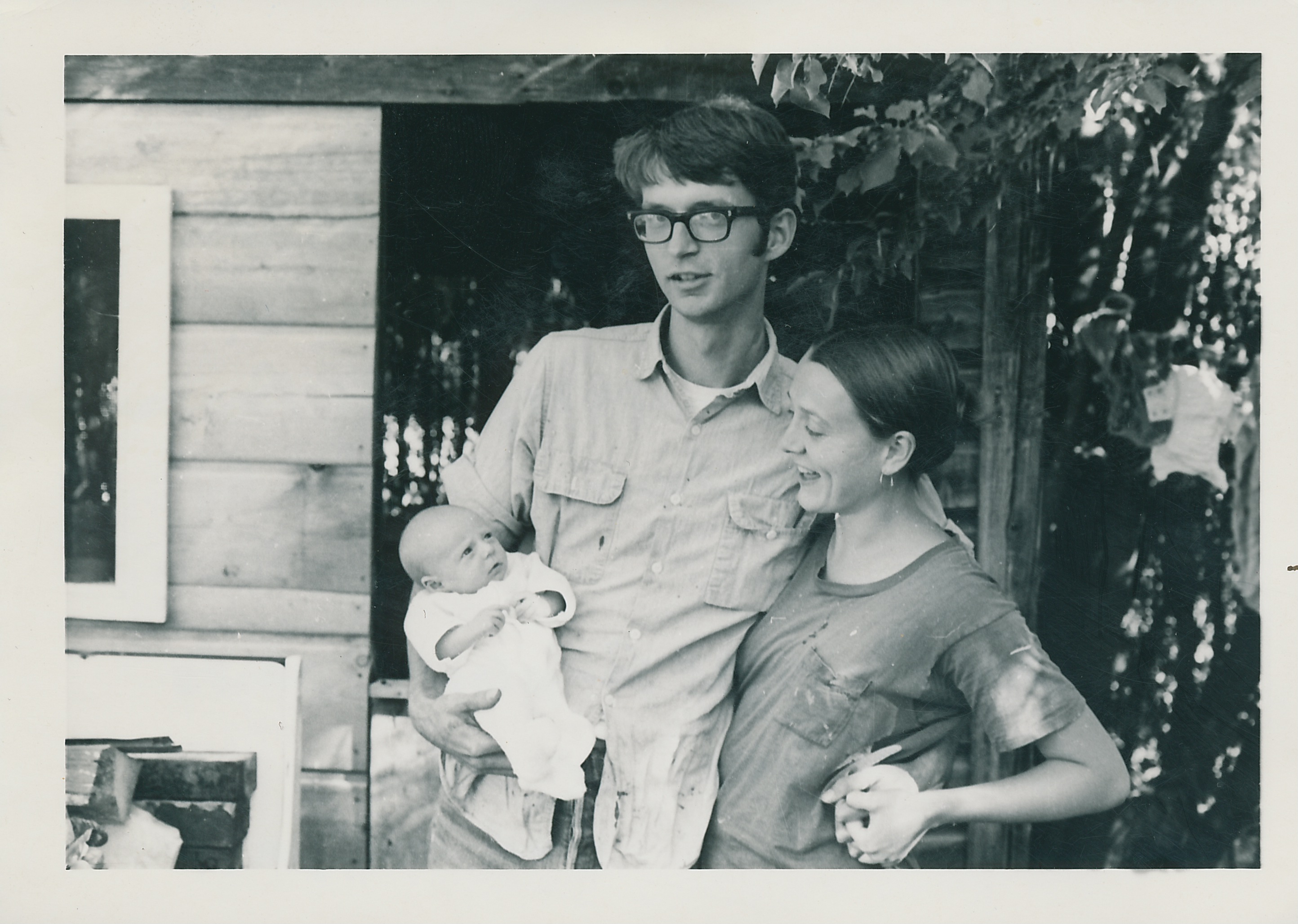
Tom Struckman and Dana Graham with their newborn daughter, Hannah Banana in 1971 probably in NW Montana.
In 1971 I had already joined the Marines in my counter-intuitive attempt to avoid Vietnam when Tom and Dana had their only child Hannah. History is blurred because we communicated by letter on USMC stationery and pencil from my end, and Rapidograph drafting pen and drawing paper on Tom and Dana’s end. Most of what I know I found out in the late-70s when we got together again to scratch a living being a student and delivering newspapers, or while sitting around smoking hand-rolled cigarettes and drinking beer.
In January, ’71, Tom and Dana came to our wedding in Lewistown. Soon after, they married in Missoula and Bob McConnell took photographs at their ceremony at someone’s house. Peter Koch wore a Nehru jacket. I think Tom did also. Eventually I gave the 35mm slides to their daughter, Hannah.
Tom and Dana went to Dillon, Montana, where Tom fixed up a 1950s-era Chevy farm truck. Rebuilt the engine in our mom’s basement. They traveled to Eureka and stayed with Becky Cuffe Vredenberg who, with her husband Rick, raised Simmenthal cattle. Tom said Rick was tireless, up before dawn, hit the ground running. I think Tom and Dana went to Canada for a while, then to Missoula for another long while. I probably have the order of things all jumbled up.
Tom and Dana had Hannah in Plains, Montana, probably in somebody’s house because Plains is such a small town. I heard that Dana was in a lot of pain and that Tom was unsympathetic. I hesitated to write that last sentence, but Tom was like that and he probably told me himself.
We visited him, Dana and Hannah in Missoula in 1972, I think. They had a volkswagen bug then that just got stolen from in front of their house near Rattlesnake school. They had left the keys in the ignition and someone simply drove it away. It turned up in Modesto, California, I think.
From there the story of Tom and Dana sort of peters out. They divorced. Dana remarried, took Hannah to France for several years, and Tom moved in with our sister in Bozeman where he worked at a printing shop and painted Carol’s house.
In 1974-5 Tom stayed with us for a few months in Tustin, California, where we delivered newspapers and I was still a supply sergeant in the USMC. By 1976 we had all moved back to Missoula. Tom rented a couple different places on the north side and we lived in university family housing. We moved to Billings, Montana in 1982, Tom lived in Missoula until he died in 1997 of a heart attack. Tom mostly could not work because he had schizophrenia and was disabled. He did read voraciously and built a harpsichord and a clavichord.
Dana returned from France and became a social worker, eventually retiring in northwestern Washington. She had a second child, Maggie.
Hannah’s life was intertwined with ours. She stayed with us in Billings, sometimes. Tom and she went to a juggling convention in Denver with us in 1989 or 1990.
Hannah married Jason Wild and they had two: Jacob and Savannah. Then they broke up. Hannah had another child, Henry.
Suddenly, sadly, Hannah died in Kona, Hawaii, a couple of years ago. She had been turned away from a homeless shelter there. She made a bed for herself in a nearby park, folded her things neatly, laid down to sleep, and was discovered dead the next day. No sign of violence.

Professor Robert Powers Struckman was 47 when he died of a brain tumor.
I concluded that people just want true stories. Not stories, really, the truth. And yet we heard about Goldilocks. I heard about Goldilocks from my father when I was quite small, because he died of brain cancer in the fall when I was four. Daddy and I were at the kitchen table, I think, and he told me the story. Only he changed “porridge” into “Wheaties.” As young as I was, I knew he had made the change. It made me marvel at his strength. He smelled good, like tweed. A subtle wool smell. He towered over me and I saw the red hairs of his nostrils. He had a good laughing manner, but I remember him roaring at my sister Carol to wash the dishes. In my mind flames shot out. He told me how to pet Smokey the cat from front to back. He played guitar and sang to us in the front room. He made popcorn and we ate it. He spanked me when I wet my pants, while standing on the Missoula year book he co-edited. I have a copy of the 1930 edition of “The Sentinel” with my urine stain on the back cover.
Daddy came home from the doctor’s with a black patch on one eye. The patch was incorporated into his eyeglasses, so he put coins in to the patch-side to make the weight equal. His ear on that side was bright red, so I laughed. He laughed also. In the basement Daddy sawed the boards for pieces of some cabinets he was building in the hallway past the kitchen. He used a handsaw and he asked me to help him by sitting on a board. I was happy to help. I was four years old. Daddy went to the hospital to stay and I had to sit in our car while mother went to escort him out so he could go home with us.
Daddy sang in the Missoula Mendelssohn Club, so we went to the concert. I was disappointed that Daddy was impossible for me to pick out of the 80 or so singers on stage, dressed in tuxedos. My parents bedroom had a musical instrument case in it, but I never knew why.
Soon I was in Kalispell with my grandparents while my poor dad died his painful death in Missoula.


 insearchofbud